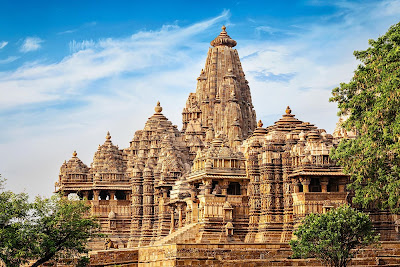
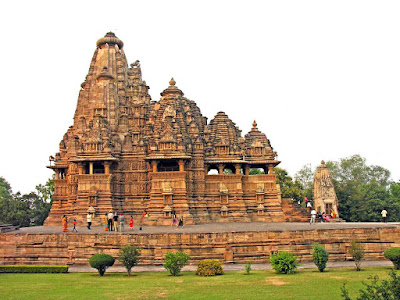
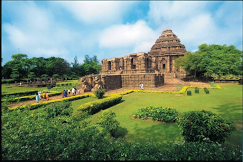
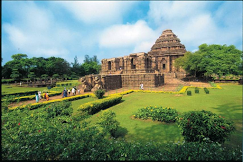
“If you art lover you must visit khajuraho once in your life time”
“The central theme of these temple focus on Hindu philosophy “life reflecting the four aspect dharma ,artha, Kama , moksha “
“There is some thing that visible some thing that is suppressed and some thing is invisible and when you find these three you must understand of khajuraho temple your life is become complete”
Khajuraho temple a group of monuments of Hindu and Jain religious in khajuraho belongs to 85 temples in this site its spread over 20 square kilo miters .These temple were built between ( 950 CE to 1050 CE ).The khajuraho temples are famous for nagara style and architecture symbolism and erotic sculpture .These monument mostly were built in chandeladynasty . In 85 temple today 22 temple survived( founded)
These temple are extraordinary human creative awarded by world heritage site
In 1986 these are found UNESCO ( united national education scientific culture organisation world heritage site
These are symbol of architectural magnificent disciple the height of artistic excellence reached by the artificer in ancient India. Khajuraho group of temple dedicated my two religion Hindu and Jain
LOCATION
Khajuraho temple monument are located in vindhya mountain range in central India these monument located i chatrapur dist madhya pradesh state in India .The rock bed of chhatarpur khajuraho located is bundelkhand iglesias and beloved that the oldest rock in India
LATITUDE AND LONGITUDE
24.8318452 north latitude
79.9198549 east longitude
MSL ( MEAN SEA LEVEL)
Khajuraho’s elevations 283 meters above sea level or 928 sq ft
HISTORY ABOUT KHAJURAHO MONUMENT
Khajuraho monument were built during the rule of chandela dynasty .The khajuraho temple mainly Hindu and Jain religious temple these temple were built Hindu king yasovarman and dhanga .In khajuraho kandariya mahadeva temple largest and currently mostly famous temple in khajuraho there 85 temples these temple were mostly completed between 970 to 1030
In the between 10 to 12 centuries khajuraho is capital of jajahuthi dynasty . Where khajuraho located that called central india these central India mostly control by Islam dynasty 13 to 18 centuries . In this period some temple were desecrated followed by long period temple were neglected
In 1830 local Hindu guided a British surveyor t.s Burtrediscovered by global; audience
Alexander cunningham after few years rediscovered khajuraho temple monument
Khajuraho mean date palm ancient local legends held that Hindu deity Shiva and other gods enjoyed visiting dramatic hill formation khajuraho area
Local legend state that temple complex had 64 water bodies of which 56 have been physically identify by archaeologist
AMAZING ARCHITECTURE OF KHAJURAHO
All temple except(one)chaturbhuja model and face s sun rise
Another symbolic feature that is predominited in hindu temple the relative lay out of temple integrated masculine and feminine deities and symbol highlight
the art work symbol highlight four goals of life proper in Hinduism chethurvida purshardalu (DHARMA ARTHA KAMA MOKSHA)
In surviving temple
6 temple dedicated to Shiva
8 temple dedicated Vishnu and his effeminate
1 temple dedicate Ganesha
1 temple dedicate to sun
3 temple dedicate to Jain tirthankar
The temple have a rich disciple of intricately carved status while they are famous for erotic sculptor sexual theme cover less then 10%of temple sculptor
The art cover numerous aspect human life
The khajuraho temple were built vastu purusha mandala
Mandala mean—- circle
purusha mean—–universal essence at the care Hindu tradition
Vastu mean ——-dwelling structure
The temple divided in to three geographical division
western temple
eastern temple
southern temple
Khajuraho temple made with sand stone and granite stone foundation.Khajuraho temple belongs to vaishnavism saivism (Hinduism)and Jainism
In khajuraho mostly major temple surround by smaller temple
The largest surviving temple in khajuraho Shiva temple its khandariya and Vishnu temples chaturbhuja
KHAJURAHO TEMPLE FAMOUS FOR
Khajuraho temple feature a variety of art work of which 10%is sexual or erotic out side and inside the temple .The temple have two layer of the wall . On the temple walls several thousand of statues and great art work
Mainly kandariya temple decorated 870 statues 10% of them various sexual possess
However the Kama art represented diverse sexual expression different human being ‘ if your art lover you must visit khajuraho once in year life’ Its the Indian largest group of medieval Hindu &Jain temple
The central theme of the these temple focus son the Hindu philosophy life reflecting the four aspect (dharma artha Kama moksha)
Erotic sculpture permanent in comparison in the rest of sculpture we need to pay attention to find and understand these
DANCE FESTIVAL
Every year dance festival conducted at khajuraho in the month of feb & mar in this festival number of visitors including international visitors visiting khajuraho
VISITING DAYS AND TIME
Temple open every day in week opening time 8;00am to 6;00pm
Entry ticket
otherthen\saarc/bimstec——–Rs600
below 15 years free
Indian citizen ———————Rs 40
Citizen of saarc / bimstec——–Rs 40
MUSEUM ENTRY
Museum open every day except friday timing 8’00 to 5;00 pm
Indian saarc bimstec——–Rs10
foreign citizen—————Rs 250
LIGHT AND SOUND SHOW CONDUCTED
Light and sound show conducted in two language english and hindi this show timing difference in seasons
winter show 6;30 pm to 7;25 ` oct to feb
summer show 7;30 pm to 8;25 mar to sep
10.ENTRY FEE FOR LIGHTING SHOW
Indian citizen ————-Rs 250
foreign citizen————Rs 700
below 5 years children free
NEAR VISITING PLACES TO KHAJURAHO
Panna national park —————92 km
Ranesh fall————————–21 km
Ken gharial sanctuary—————20 km
Ajaygarh fort————————-65 km
Benisagar dam————————2.3 km
DISTANCE FROM KHAJURAHO TO INDIAN CITIES
Delhi——————–651 km
Bhopal——————375 km
Lacknow—————309 km
Agra———————431 km
Hydrabad—————-1037 km
Jaipur———————623 km
Mumbai——————1146 km
NEAREST AIR PORT TO KHAJURAHO
Lucknow international air port—————-235 km
Kanpur airport ———————————182 KM
Jabalpur airport———————————183 km
Allahabad—————————————-195 km
Gwalior air port———————————-235 km
Nagpur airport———————————–427 km
Khajuraho airport——————————4 km
Railway station near by khajuraho——— khajuraho railway station 0.5 km
Jagannath is considered a form of Vishnu. He is a part of a triad along side his brother Balabhadra and sister Subhadra. “Jagannath” may be a compound word from Sanskrit, consisting of “Jagat” and “Nath”.
Jagannath means” lord of the world“ and as Hindu deities, Krishna / Vishnu / Rama worshipped in Odisha. Odisha is understood for its sacred and famous Jagannath temple, which is in Puri.
The Jagannath Temple of Puri may be a famous, sacred Hindu temple dedicated to Jagannath or vishnu
The temple is a crucial pilgrimage destination around the globe for several Hindu traditions, particularly worshippers of Krishna and Vishnu, and a part of the Char Dham pilgrimages that a Hindu is predicted to form in one’s lifetime. all the hindu religious people must visit once in their life time around the globe all the hindu devotee believe the puri jagannath
Even though most Hindu deities that are worshiped are made out of stone other then metal, the image of Jagannath is made by wooden. Every twelve either nineteen years these wooden figures are ceremoniously replaced by using sacred holy trees, that need to be carved as a particular replica. the rationale behind this ceremonial tradition is that the highly secret Navakalevara (‘New Body’ or ‘New Embodiment’) ceremony, an intricate set of rituals that accompany the renewal of the wooden statues.
The temple was inbuilt the 12th century atop of temple ruins by the progenitor of the Eastern Ganga dynasty, King Anantavarman Chodaganga Deva.The temple is legendary for its annual ceremony Rath Yatra, or chariot festival, during which the three main temple deities are hauled on huge and elaborately decorated temple cars. ratha yatra conducted Since medieval times, it’s also related to intense religious fervour.
The temple is sacred to the Vaishnava in hindu religious traditions and saint Ramananda who was closely related to the temple. it’s also of particular significance to the followers of the Gaudiya Vaishnavism whose founder, Chaitanya Mahaprabhu, was interested in the deity, Jagannath, and lived in Puri for several years in puri famous chariest festival celebrate every year
The jagannath temple is one of the char dham in india
Dwaraka ( this four places is called char dham) some millions of hindu devotees visit char dham yatra in India ever year
Location
Puri lord jagannath temple is located in puri dist in odisha state in India and it also located in eastern part of india puri jagannath temple is 60 km or 37 miles away to bay of bengal
Latitude and longitude
19.48.38 East latitude
85.49.83North longitude
Elevation or Msl
Elevation or mean sea level of jagannath temple is 65 meter or 13 ft above sea level
Climate of puri
The city has moderate and tropical climate. Humidity is fairly high throughout the year.
The temperature during summer touches a maximum of 36 °C (97 °F) and through
winter it’s 17 °C (63 °F).
average annual temperature is 26.9 °C (80.4 °F).
The average annual rainfall is 1,337 millimetres (52.6 in)
Best visiting time
October to february
Local language
Oriya
Mobile Net work availability at puri
Bsnl
Airtel
Jio
Idea
Vodafone
History of temple
The temple was built by the Ganga dynasty king Anantavarman Chodaganga within the 12th century CE,
suggested by the Kendupatna copper-plate inscription of his descendant Narasimhadeva II.
Anantavarman was originally a Shaivite, and became a Vaishnavite sometime after he conquered the Utkala region (in which the temple is located) in 1112 CE.
1134–1135 CE inscription records his donation to the temple. Therefore, the temple construction must have started sometime after 1112 CE.
According to a story within the temple chronicles, it had been founded by Ananga Bhima-deva II:
different chronicles variously mention the year of construction as 1196, 1197, 1205, 1216, or 1226. this means that the temple’s construction was completed or that the temple was renovated during the reign of Anantavarman son Ananga Bhima. The temple complex was further developed during the reigns of the next kings, including those of the Ganga dynasty and therefore the Suryavamshi (Gajapati) dynasty.
Story of jagannath
INDRAYUVANA
The ancient Vedic literature describes the planet ruled by King Indradyumna as a tranquil place. From his capital in Awantipura, the emperor surveyed a land crammed with peace and prosperity unknown in times . Abundance was everywhere during the enlightened age of Satya-yuga, except in the heart of the King. Indradyumna felt all vacant within the world he ruled, because he hankered for a pleasure beyond material bounds: he long to ascertain the Lord face to face.
This is a difficult feat, even for the best monarch within the world. The Gita states that such a boon is never achieved by mystics who devote their entire lives to God realization. Usually, the more one is involved in material pursuits, the less likely one is to make spiritual advancement. So how is it possible for a king absorbed in worldly affairs to get the Lord’s special mercy?
Krisna isn’t a fan of displays of fabric wealth or power: they’re insignificant compared to His glories. What is significant though is that the love each soul may direct to the Lord. And sometimes Krisna are often conquered by a really pure love.
The Search Begins
One day as Indradyumna lamented that he wasn’t ready to serve God directly, a pilgrim suddenly appeared. This man revealed how he had actually seen the Lord accept direct loving service in His Deity sort of Nila Madhava. God incarnates in some ways throughout the ages, and sometimes He manifests within the sort of stone or wood just to please His devotees and accept their loving service.
The traveler described how, on the remote mountain top of Niladri, he had seen the demigods worshiping the Lord. The King immediately dispatched his chief brahminical priest, Vidyapati, to seek out this Deity, in order that all of Avantipur might be presented at the lotus feet of the Lord as an offering of love.
After a month’s journey without rest, Vidyapati found Mount Niladri, where he discovered Sabaras, low-born pig herders, camped near the holy ground. Looking beyond class distinctions married the daughter of the tribal chieftain, Vishvavasu, who had been worshiping the Lord in great secrecy. Due to his daughter’s pleas, Vishvavasu finally agreed to point out Lord Nila Madhava to Vidyapati – as long as he visited the location blindfolded. But the brahmin tricked his father in law by sprinkling mustard seeds along the trail , seeds that might eventually sprout and lead the emperor back to say the Lord’s attention.
For many years Lord Nila Madhava had been served by Vishwavasu with simple fruits and flowers. Knowing the prayers of Indradyumna, Nila Madhava spoke to Vishwavasu and revealed His intention of accepting more opulent worship according the desires of Indradyumna. Vishwavasu was devastated.
No-one can predict the plan of the Lord; sometimes He bestows special mercy on His devotee by being present before them, and sometimes that mercy is additionally shown through separation which increases the longing and attachment of the devotee.
That the Deity was chatting with him didn’t strike Vishwavasu as remarkable, he was an excessive amount of absorbed in grief at Nila Madhava’s imminent disappearance. He blamed Vidyapati for persuading Nila Madhava to simply accept Indradyumna worship. Accusing the brahmin of cheating him out of Cod’s favor, Vishwavasu bound Vidyapati with ropes. But his daughter heard her husband’s cries for help and freed him to return to Avantipur.
The Deity Vanishes
Upon Vidyapati return, Indradyumna climbed upon his chariot and led a military to the mountain, where they located the trail of small mustard plants. The two struggled with the temple door and discovered that Nila Madhava had vanished.
Only Vishwavasu might be suspected of removing the Deity. In his desperation to stay the Lord he may need done anything. However, once they found the chief of the Sabaras, he was still mourning Nila Madhava’s departure. Not believing his lament they arrested Vishvavasu. Suddenly Narada Muni, an excellent sage, appeared and revealed what had really happened to Nila Madhava.
The Lord had withdrawn thanks to His own choosing, but He would re-appear again within the sort of Lord Jagannatha to bestow benedictions upon the whole world. Whereas Nila Madhava had enjoyed the straightforward and intimate service of Vishwavasu, His appearance as Jagannatha would be for the advantage of everyone. First, however, Narada Muni announced that an excellent temple must be constructed. Then Lord Brahma, chief of the demigods, would receive Indradyumna on his own planet and plan for the sacred installation of Jagannatha Swami, the Lord of the Universe.
When the temple was finally completed, Narada Muni escorted Indradyumna to his father’s abode on Satya-loka. The home of Lord Brahma is inaccessible to ordinary citizenry , but so great was Indradyumna devotion to God that even Lord Brahma was wanting to meet him. Lord Brahma further described how Lord Jagannatha would seem during a wooden form from an excellent kalpa-vrksa tree, transported from the spiritual planet of Svetadvipa.
As Indradyumna returned to earth during a space ship from Brahma’s planet, he noticed that things had changed. Though he was away for what seemed a brief time, the world had aged a few years . No one recognized him in his own kingdom, and his trusted priest Vidyapati had been replaced by another.
The Sacred Tree
The King remained bewildered until a mystical crow revealed how all Indradyumna associates had died in his absence. For the sake of worshiping the Supreme he had lost everything: family, friends, and kingdom.
Despite this hardship, Indradyumna remained steadfast in his courage. He knew that God sometimes tests the love of His devotees by removing all other objects of affection. King Indradyumna decided to hasten the Lord’s arrival by fasting, if necessary until death. Then Jagannatha did appear – but only during a dream – and therefore the emperor was guided to an excellent log floating within the ocean. No ordinary tree, this giant had come uprooted from the spiritual sky, a part of an equivalent transcendental energy because the Lord’s own body. Even the might of the army could not budge it.
A lowly Sabara stepped from the gang and handled the large trunk with ease. This amazing fellow clothed to be a descendant of Vishwavasu, and he carried the sacred log to Gundica Temple for preparation.
The greatest craftsmen in all the world assembled to carve the Lord’s Deity form, according to scriptural injunctions. But all their tools simply shattered to pieces. Then a mysterious old brahmin appeared, Ananta Maharana, and he agreed to carve the Deity of the Lord. But it had to be done on his own terms: complete isolation for 3 weeks. Gates were locked and the beat of the chisel resounded for days. After only two weeks however, it stopped and Indradyumna worried. The brahmin was old, perhaps…
Jagannatha’s Appearance
Overcoming the restraints of priests and advisors, the King wrenched open the doors to get an unusual sight: a sort of the Deity never before seen. The Lord’s form was apparently unfinished having no hands or feet, and therefore the Emperor feared he had made an excellent mistake in opening the doors too early. The aged sculptor had vanished.
As Indradyumna cursed his foolishness, new found friends tried to console him. The descendant of the Sabaras said, “Whatever happens is by the Lord’s will. You acted out of love so there can be no wrong.” And the chief priest said that the Deity of Jagannatha, along with His brother, Baladeva, and sister, Subhadra, should be painted and dressed and ready for the installation ceremony by Lord Brahma.
Indradyumna felt ashamed until God’s plan was finally revealed by Narada Muni. A passage within the Vedas mentions that the Lord has no hands or feet, which impersonalists and atheists interpret to deny the Lord’s personal existence. So Jagannatha’s appearance proves that he’s an individual – unlike the other – which He can still bestow blessings and accept offerings of affection , even without hands and feet.
Narada Muni then described how he had seen this type before, while visiting Dvaraka. At that time, the Lord’s Vrindavan pastimes were being discussed, and the Lord overheard the conversation and felt loving separation for His devotees. He went into a trance and His eyes opened wide, His feet and hands retracted into His body. Sharing in this transcendental exchange, Krishna’s sister and brother were similarly transformed.
Then, Narada Muni announced that his father, Lord Brahma, would soon arrive to put in the Jagannatha Deity. Before the celebration began, Brahma gave Indradyumna divine vision to ascertain that his new friends were, in fact, the embodied souls of his old companions Vidyapati and Vishwavasu. Thus the story of Jagannatha’s appearance ended happily, with the reunion of loving devotees to honor and serve the Lord.
Fact of jagannath temple
image of jagannatha
All over the planet , including India, many of us might realize Odisha as a little state in Malay Archipelago , but the name of Puri certainly features a high recall value across the planet for being the land of Lord Jagannath which is legendary for its annual Ratha Yatra. Jagannath Puri being one among the four dhams sees many devotees visiting the Jagannath temple throughout the year seeking the blessings of Lord Jagannath. The historic Jagannath temple (Srimandira) at Puri was inbuilt the year 1078
Here are some amazing facts about the Jagannath temple, Puri:
The Flag:
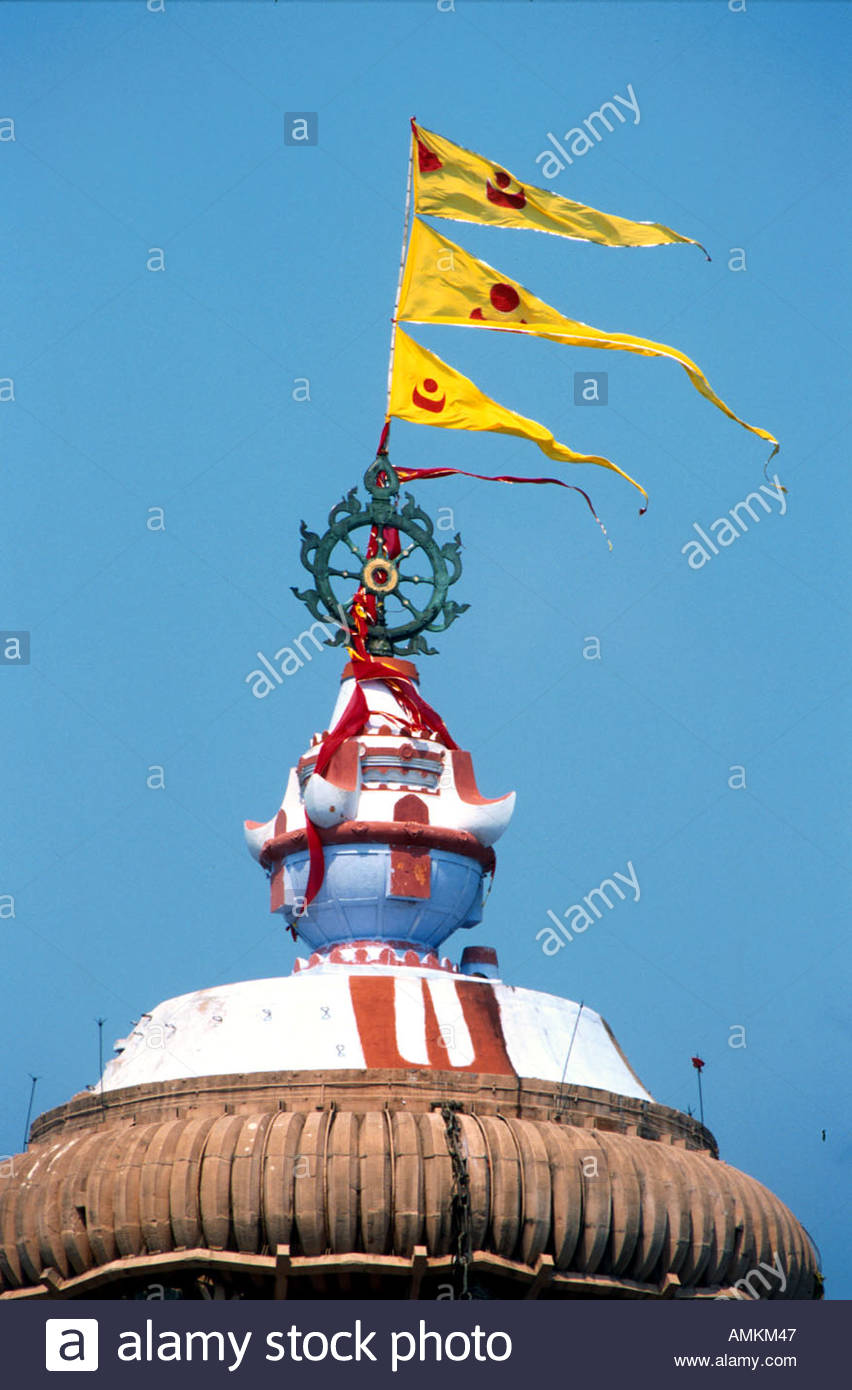
one among the incredible facts about the temple is that the flag on top of the Sikhara of the temple always flows within the other way of the wind.
The Climb:
The flag is modified a day by a priest who climbs 45storey building to try to to an equivalent . The ritual is completed a day for 1800years now and must continue since, if each day is missed, the temple are going to be shut for subsequent 18years.
Shadow:
The temple has no shadow from any directions at any time.
Sudarshan Chakra:
There are two riddles associated with the Sudarshan Chakra. the primary is how such an important metal got up there at that point with none machinery. The second is that the architecture. The Chakra looks an equivalent from all direction.
Birds:
Not one bird or airplane might be seen flying through or sitting on top of the temple area.
Prasadam:
The temple crowd varies between 2,000 to 2, 00,000 people a day . However, not one drop of food that’s prepared is wasted any day.
The temple Prasadam is cooked in earthen pots using firewood. Exactly 7 pots are placed on top on each other . Amazing and unbelievable, the highest most pot gets cooked first followed by rock bottom pots so as .
Chappan Bhog:
a day , 56 vegetarian dishes are prepared and offered to Lord Jagannath ji. it’s then distributed to devotees as Mahaprasad.[
Rice that’s used for cooking at Lord Jagannath Temple at Puri is named Amunia
Cooked rice is named Anna.
When cooked rice removed of Temple Kitchen, it’s called Chheka.
When kept on the Bhairavi Chakra, it’s called as Bhoga
When Bhoga is surrendered to three deities, it’s Naibedya
When Naibedya is obtainable to Goddess Bimala, it’s called Mahaprasad
When Mahaprasad is placed before Panch Parmeshwar it’s called Kaibalya
When kaibalya is consumed by people, it’s called Abadha
Leftover of Abadha is dried up which is understood as Nirmalya
Amazing reminder finer sentiments, overwhelming culture of Lord Jagannath that captivated the Odia Civilisation for thousands of years..
Oceans Water:
One miraculous thing about the temple si that once you enter the steps of the temple, from Singha Dwara entrance, the audibility to the ocean waves is entirely lost. The sound returns once you leave the temple.
Deities:
The deities are buried from every 14 to 18 years, one above another, replaced by new ones. These deities are made from neem wood and are believe to be disintegrated on their own.
Why people believe lord jagannath
Many have given beautiful explanations on why Lord Jagannath is revered by Odisha people. i will be able to just increase those points.
Lord Jagannath is really representation of Lord Vishnu in Kalyug. he’s not one among Dasa Avatars. he’s personification of God during this yug. It means his big eyes sees about he cannot do anything. (How Lord Jagannath came as this is often a special story altogether.)
There is a bell in temple’s museum.
it’s said that it belongs to a ship that was saved by Lord Jagannath during a storm. The bell may be a distress bell, it’s rung when a ship is in trouble. The bell was donated to the temple by the captain because the Lord had saved the ship from sinking.
The puja of Lord Jagannath is completed on a true person .
He sleeps nightly and he’s woken every morning by a special sect of individuals . Co-incidentally they never have kids because it is claimed God becomes angry when he’s awoken every morning. Thus this clan adopt kids.
The Koili Baikuntha,
where old sorts of Lords are buried are prayed by Aghoris. this is often the sole temple where Sadhus and Aghoris stay in same premises. Also they’re more powerful and learned than the pujaris of the temple.
Vibhishana, one among the chiranjeevi.
it’s said Ravana’s brother Vibhishana involves visit Lord Jagannath and when he does, he leaves a black flower ahead of Lord Jagannath. Which only the most Pandas (The people that perform daily activities of Lord Jagannath) see and dispose off. The peculiar feature of the flower is that it’s only available in Sri Lanka . (This fact is unverified, but since I even have heard about it. I even have posted it here.)
The above mentioned facts are just representation of how powerful Lord Jagannath is in today’s world. But how powerful he really is? Well to means , the deadliest Cyclone Odisha ever faced was of 1999. on the brink of 1 lakh people lost their lives, there was massive destruction and chaos all around, Odisha wasn’t prepared for destruction of this level. consistent with local folks in Puri, the flag (Popularly knows as Nilachakra Neta) atop the Srimandira (Main Sanctum) fell from the temple into the ocean and destruction by the ocean was reduced by an outsized margin.
Many say that if Lord is more powerful, he can stop all sorts of destruction altogether, why does he let his disciples suffer?
There is a proverb that in near future, even Lord Jagannath’s present abode in Puri are going to be submerged under water.
22 pahache meena kheliba
It means, fishes will play where 22 stairs to lord’s temple are at the present .
Then Lord Jagannath will attend another temple in Chattia, Jajpur. The temple is already constructed. you’ll visit this temple too. But it’s empty as of now.
Hope this clarifies your doubt. Do visit Puri, it’s in any case one among the char dhams (four main pilgrimage places) in India.
11.Daily rituals in jagannath temple
1. “Dw Arpitha and Mangal Aarati”at 5.00 am
Dwara means door or entrance and Dwaraphita means opening of doors and Mangala arati refers to auspicious lamp offerings to the deities early within the morning.
The door opens early within the morning within the presence of 5 specific sevayats namely (1) Bhitarachha Mahapatra, (2) Pratihari, (3) Muduli, (4) Akhanda Mekapa and (5) Palia Mekapa after verification of the “seal” given by a specific sevayat referred to as Taluchha Mahapatra within the last night. Soon after the opening of the door, Mangal Aarati is performed.
2. “Mailam” at 6 a.m.
This means removal or beginning the garments , dress, flowers, tulasi etc. of the previous night. The schedule time of this niti is about 6.00 am within the morning. But it depends on the time taken for Mangala arati. The sevakas related to this niti are (1) three Pushpalakas, (2) Khuntia, (3) Changda Mekapa and (4) Dhoba. Pushpalata sevaks change the garments , flowers and tulsi leaves of the deities worn on the previous night. After removal of garments , the deities wear another set of unpolluted and washed clothes. it’s referred to as tadapalagi. the garments are called “Tadapa” and “Uttariya” like towels. These are made from cotton worn by the deities for morning bath. As per the tradition, these clothes are washed by the Dhoba sevaka within the kunda (water tank) near Bata Ganesa. This Dhoba sevaka is really Brahmin by caste.
3. “Abakash” – 6 a.m. to 6.30 a.m
Purificatory rites like brushing of teeth and bath is understood as “Abakash”. At this point , Temple Jyotishi [Astrologer] reads out the tithi [day and date] and other astrological details of the day and consistent with that, that day’s rituals are performed.
4. “Mailam” 6.45 a.m.
At this point , deities change their clothes [Tadap and Uttariya] and wear another set of garments . A sevak referred to as “Akhanda Mekap” keeps within the sanctum Akhanda Baitha i.e. one lamp which burns till “Pahuda” or the time of the retirement of the deities to bed.
5. “Sahanamela” – 7 a.m. to 8 a.m.
Though this is often not a neighborhood of the rituals, but about one hour is spent to facilitate pilgrims to travel up to “Ratnavedi” or inner sanctums to possess a Darshan, without paying fees for it. On certain festive days, Sahanamela is held after “Sandhya dhupa” [Evening Puja or Sandhya Aarati within the month of Kartik] and after Sakala Dhupa [in the month of Pausha]. Some times, this darshan isn’t allowed for a few special rituals of the deities.
6. “Beshalagi” – 8 a.m.
After Sahanamela the deities are again dressed up which may be witnessed from a touch distance i.e.” Bhitara Katha”. At this point , Deities also are adorned with gold and precious stones to suit different festive occasions.
7. Rosha Homa Surya Puja and Dwarapal – 8 a.m. to 8.30 a.m.
While some sevayats are busy with vesha lagi or the Deities, Puja Pandals at that point perform “Rosha Homa” [Fire Sacrifice] at the kitchen and “Surya puja” at the surya temple near “Mukti Mandap”. Then the pictures of two gate keepers named Jaya and Vijaya on the doorway of the Jagamohan of the temple are worshipped.
8. Gopala Ballava Puja – 9 a.m.
The prescribed time is 9 A.M. this is often the time for breakfast of the deities. At this point sweet popcorn [Khai], Khualadus, Coconut sweets [Kora], Ripe banana, Curd, and chipped coconuts etc. are offered as bhogas. Puja is performed during a brief manner with pancha upachar only.
9. Sakala Dhupa (Morning food offering) 10 a.m
At this point , puja is performed by three Puja Pandals with 16 Upacharas or Shodasa Upacharas. Three Puja Pandas wont to sit on Ratna Singhasana to worship three deities Shri Balabhadra, Subhadra, and Lord Jagannath. The Pujapanda who worships Lord Jagannath also worships Sri Devi, Bhudevi, and Sudarshan. The morning bhoga or food offered to the deities contains Rice, Kanika, Khechudi, Green leaves, Cakes etc. The local names of the Bhog are Pitha Puli, Hansa Keli, Kanti, Enduri, Matha Puli, Kakatua Jhili, Bundia, Kadali Bhaja, Ada Pachedi [ginger tonic] etc.The cost of the dhoop Pujas and Ballavs are borne by the temple administration. Previously, Raja-Superintendent of the temple, wont to bear the value of materials for preparation of Bhoga. So these Bhogas also are called “Raja Bhoga” or “Kotha Bhoga”.
10. Mailam and Bhoga Mandap:
After Morning Dhupa or Puja the Deities change their clothes and again Puja takes places in “Bhoga Mandap”, an area behind the Garuda pillar of Jagamohan. Huge quantity of Bhogas like Rice, Dal, Curries, Saga and Cakes of various kinds etc. are offered to the Deities. Pujapandas worship this bhog with Pancha Upacharas. the value of Bhoga Mandap offerings aren’t borne by the state or temple administration. This bhoga is especially prepared to satisfy the necessity of various mathas [Monasteries] and purchasable to the overall public. consistent with the demand, Bhogamandap Puja is formed twice or thrice each day i.e. after “Madhyanha Dhoop” and “Sandhya Dhup” also.
11. Madhyanha [Afternoon food offering] 11 A.M. to 1 P.M.
Like Sakala Dhupa, this puja is additionally performed with Shodasha Upachar within the afternoon. The Bhoga items are more in number than that of Morning Dhupa. One can go almost the “Ratna Simhasana” for darshan by paying special Darshan fee of Rs. 10/- after Madhyanha Dhupa and Sakala Dhupa.
12. Madhyanha Pahudha – 1 p.m. to 1.30 p.m
If rituals are performed in time and if time permits, the Deities retire for the afternoon.
13. Sandhya Aarati
In the evening again aaratis are performed after Madhyana Dhupa Mailam. On Ekadashi day, the deities change their clothes and wear another set after “Aarati” is over.
14. Sandhya Dhupa – 7 p.m. to 8 p.m
After “Sandhya Aarati” again Bhogas are offered to the deities within the same manner like Sakala and Madhyanha Dhupa but this point , Bhoga amount is a smaller amount in quantity and number. After Puja, again lamp offering is formed which is named as “Jaya Mangala Aarati”.
15. Mailam and Chandana lagi
After “Sandhya Dhoopa” deities change their clothes and are anointed with Sandal paste mixed with camphor, kesar and Kasturi. One can witness this ritual by paying special Darshan fees of Rs. 10/-.
16. Badashringar Vesha
After chandana lagi, the deities are dressed up again which is understood as Bada Singhara besa. this point they wear Baralagi pata (silken robes). Some portion of the Gita Govinda of Jayadeva is woven into the feel of those robes. The deities wear flower, flower garlands and floral headgear. This besa is extremely attractive to seem at. it’s worth mentioning that Jagannath Ballabh Matha supplies flower ornaments like Tilaka and Jhumpa for this besa of the deities. Similarly, the Emar Matha supplies Chandrika and Chausara, made from flowers for this besa of the deities.
17. Badashringara Bhog
This is the last bhoga of the day offered around 11.00 pm in the dark . For this, bhoga puja is performed by the Pujapanda sevakas following the principle of Pancha upacharas, sitting on the ground down the Ratnavali. this point the number of bhoga is far less and therefore the items are Pakhala and Kanji, some fries like Kadalibada and sweets like khiri. Thereafter, the Bada Singhara Dhupa alati is obtainable to the deities by the Pujapanda sevakas.
18. Khata Seja Lagi and Pahuda 12.00
The bedsteads of the deities are arranged. The Deity of “Sayan Thakura” is carried from Bhandarkar to Ratnavali or Ratna Simhasana and place the deity near Lord Jagannath. Then follows offering of green coconut, beatles and camphor aarti then deities retire to their beds. The door is sealed then by the Sevayat [Talichha Mohapatra]. Temple is closed and no visitors or outsiders are allowed to stay inside.
This is in short the daily rituals observed within the temple. it’s generally impossible to follow the time prescribed for every ritual on account of varied practical difficulties. On the precise festive days, additional rituals are performed. As a result, changes in timings and alterations within the routine rituals are made.
12.Festival celebration in jagannath temple
Each year many festivals are celebrated within the temple and most vital of them is that the Rath Yatra during which the three main deities of the temple are carried to Gundicha Temple on three separate chariots. a number of the festivals celebrated within the temple are as follows −
Chandan Yatra
Chandan Yatra is that the longest festival celebrated within the temple because it takes 42 days to finish the yatra. The yatra is split into two parts namely Bahara Chandana and Bhitara Chandana and every part is widely known for 21 days. Bahara Chanda is that the first part during which the chariots are built which will take the three deities during Rath Yatra.
In these 21 days, the idols of Lord Jagannath, Balabhadra, and Subhadra along side five Shiva Lingas are taken to the Narendra Tirtha tank. The deities are put into the boats and that they swim within the tank. Bhitara Chanda is that the phase carried for the last 21 days during which the rituals are carried inside the temple.
Snana Yatra
Snana Yatra is widely known on the complete moon day of the Jyeshtha month as this is often the birthday of Lord Jagannath. On today , Lord Jagannath, Balabhadra, Subhadra, Madan Mohan, and Sudarshan are taken to Snana Bedi during a procession and bathed while performing different rituals.
These rituals are performed on the idea of an outline made within the Skanda Purana which states that the rituals were arranged by King Indradyumna when the three deities were first installed. The devotees believe that on visiting the deities on today clean all their sins.
Anavasara
Anavasara or Ansara is widely known after the snana yatra during which the deities are taken to Anavasara Ghar where they rest for 15 days. In lately , the devotees can attend Brahmagiri to ascertain Alernath which a four handed deity and a sort of Lord Vishnu. These 15 days are the resting period of main deities and devotees aren’t allowed to ascertain them. Cooked food is additionally not offered to the deities.
Rath Yatra
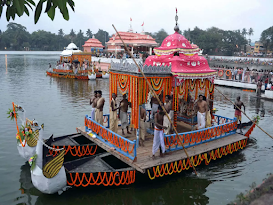
Rath Yatra of Puri is extremely famous and is conducted either within the month of June or July. during this yatra, Lord Jagannath, Balabhadra, and Subhadra were brought outside and kept in three separate chariots. Then they’re taken to Gundicha Temple. per annum new chariots are built having wooden wheels. These chariots are pulled by the devotees.
Chhera Pahara is that the most vital ritual of this yatra during which the Gajapati king wears the dress of a sweeper and sweeps round the chariots. The road is cleaned with a gold-handled broom and sandalwood water and powder is sprinkled. The ritual is carried on for 2 days. On the primary day it’s performed when the deities are delivered to Mausi Maa Temple and secondly once they are delivered to the Jagannath Temple.
Gupta Gundicha
Gupta Gundicha is widely known 16 days before the Vijayadashmi. during this festival, idol of Madhaba and Goddess Durga tour the temple premises for first eight days. within the next eight days, they’re delivered to Narayani Temple and worshipped here. Then they’re brought back to the Gundicha temple after eight days
Nava kalebara
Nava Kalevara is widely known when the moon of Ashadha is followed by another month of Ashadha which happens at a difference of 8, 12, or 18 years. during this festival, the old idols are buried and new
13.Near visiting temple to puri
There are many temples and other places that can be visited in as well as outside Puri. People can attend these places through local transport. These places are nearby Jagannath Temple. Some of them are as follows −
Konark Sun Temple
Konark Sun Temple was inbuilt 13th century most likely by Narasimhadeva I who belonged to Ganga dynasty. The shape of the temple is sort of a huge chariot with wheels, pillars and walls. The temple was built on the banks of river Chandrabhaga.
There are twelve pairs of stone wheels and therefore the width of every of them is 3m. There are seven horses which are shown as if they are pulling the chariot. The temple is 30km away from Jagannath Temple.
Suna Goswami Math
Suna Goswami Math is one among the favored maths of Orissa and India where many festivals are celebrated. Chandan Yatra, Snana Purnima, and Agni Utsava are some of them. During the festival of Chandan Yatra, ornaments are distributed among the devotees. These ornaments are made up of flowers. Panti bhoga is formed on the occasion of Agni Utsava.
Atharnala Bridge
Atharnala bridge may be a popular tourist attraction which was inbuilt 13th century to develop transport system. The bridge was wont to cross the Madhupur stream. The dimensions of the bridge is 85m x 11m. Now also people come here and offer prayer.
Atharnala Bridge
Puri Beach
Puri beach is considered as one of the beautiful beaches of India. It is an honest picnic spot as many of us come to the beach daily for his or her enjoyment. The beach is situated in Bay of Bengal and is popular for sunrise and sunset. Puri festival is organized in the month of November and is the best time to visit the beach.
Puri Beach
Gundicha Ghar Temple
Gundicha Ghar Temple is extremely popular temple of Puri because it is compared with the Jagannath Temple. According to Hindu Mythology, the temple was an area where Gundicha, aunt of Lord Krishna, wont to live and he comes and lives here for nine days during Rath Yatra. Idols of Lord Jagannath, Subhadra, and Balabhadra is additionally brought here during Rath Yatra.
Gundicha Ghar temple
How to reach puri
Puri is located in odisha state this city connected by all types of transportfacilities air , road, rail, etc
By air
: The nearest airport is Bhubaneswar inter national air port, 60 km.
BY RAIL :
Puri is a terminus on the East Coast Railway having direct express and super fast train links with New Delhi, Mumbai, Kolkata, Okha, Ahmedabad, Tirupati etc.
Some important trains are Kolkata (Howrah)
Puri Howrah Express, Jagannath Express
New Delhi; Purushottam Express.
Khurda Road Station, 44 km, from Puri is convenient rail head for train to Chennai and Western India.
BY ROAD
The bus stand near the Gundicha Temple provides connections to Bhubaneswar and Cuttack, service every 10-15 minutes. Minibuses to Konark leave every 20-30 minutes and also from Jatia Baba Chhak. There are direct buses for Kolkata and Visakhapatnam
Need any information contact admwondersindia@gmail.com
Puri is famous vaishnavite temple of lord jagannath every year in certain days chariot ar car festival celebrate in puri for this festival some million s of people are worship and attending charist festival. Across the globe (or )world people visiting puri specially in this actuation
a Hindu festival related to Lord Jagannath held at Puri within the state of Odisha, India. It is the oldest Ratha Yatra happening in India and therefore the World, whose descriptions are often found in Brahma Purana, Padma Purana, and Skanda Purana and Kapila Samhita.
This annual festival is widely known on Ashadha Shukla Paksha Dwitiya (second day in bright fortnight of Ashadha month).
The festival commemorates Jagannath’s annual visit to Gundicha Temple via Mausi Maa Temple (maternal aunt’s home) near Saradha Bali, Puri.
The jagannath temple is one of the char dham in india
Dwaraka( this four places is called char dham) some millions of hindu devotees visit char dham yatra in India ever year
Location
Puri lord jagannath temple is located in puri dist in odisha state in India and it also located in eastern part of india puri jagannath temple is 60 km or 37 miles away to bay of bengal
Latitude and longitude
19.48.38 East latitude
85.49.83North longitude
Elevation or Msl
Elevation or mean sea level of jagannath temple is 65 meter or 13 ft above sea level
Climate of puri
The city has moderate and tropical climate. Humidity is fairly high throughout the year.
The temperature during summer touches a maximum of 36 °C (97 °F) and through
winter it’s 17 °C (63 °F).
average annual temperature is 26.9 °C (80.4 °F).
The average annual rainfall is 1,337 millimetres (52.6 in)
Best visiting time
October to february
Local language
Oriya
Mobile Net work availability at puri
Bsnl
Airtel
Jio
Idea
Vodafone
History of chariot festival
Jagannath Rath Yatra festival is devoted to Lord Jagannath (Lord Krishna), his sister Goddess Subhadra and his elder brother Lord Balabhadra or Balaram. Jagannath Rath Yatra is widely celebrated and one among the most important festivals of India where many devotees arrive and participate within the Rath Yatra processions and seek blessings of Lord Jagannath.
Why is Jagannath Rath Yatra celebrated every year? History
Jagannath Rath Yatra is organised at Puri in Odisha. It is believed that Lord Jagannath per annum wishes to go to his birthplace. Various stories are related to this festival a number of them are as follows:
The maternal uncle Kansa of Lord Krishna and Balram invited them to Mathura to kill them. Kansa sent Akrur with a chariot to Gokul. Lord Krishna and Balram sat on the chariot and left for Mathura. The devotees celebrate today of departure as Rath Yatra.
Do you know the mystery behind Krishna’s Butterball?
Another story says that the Rath Yatra festival is related to Lord Krishna, Balaram and Subhadra in Dwarka. Once upon a time, eight wives of Lord Krishna wanted to concentrate to some divine tales associated with Krishna and Gopi’s from mother Rohini. But the mother was not willing to narrate the story. After an extended request, she agreed but on the condition that Subhadra would guard the door in order that nobody overhears. While the stories are being narrated by Rohini mother, Subhadra was got so in captivated that meantime Lord Krishna and Balaram received the doorway and Subhadra stopped them by standing in between them together with her hands wide apart. That time sage Narada arrived and saw three siblings together he prayed for the three of them to offer their blessings during this way forever. The Gods granted Narad’s wish then , Lord Krishna, Subhadra and Balaram reside in Puri’s Jagannath temple eternally.
In Dwaraka, devotees celebrated the day when Lord Krishna, accompanied by Balaram, took Subhadra his sister, for a ride on a chariot to show the beauty of the city.
An exciting story was there of Lord Krishna becoming the Sarathi that’s the driving force of Arjuna’s chariot, during the 18th day battle of the Mahabharata.
Jagannath Rath Yatra: Procession
The three idols are taken from Jagannath Temple to the Gundicha temple. These idols are placed within the decorative chariots, amid chants and conches, which may be heard all around.
Before Rath Yatra, the idols are bathed with 108 buckets of water which is understood as Snana Purnima.
Till the day of procession, they’re placed in isolation because it is believed that they’re ill. This event is known as Ansara
Amazing facts about chariot festival
On procession day, the holy ritual Chhera Phara is performed by the royal successor of Odisha. Various hordes of locals and devotees flock round the temple area.
In Chera Pahara ritual the King brings deities from the temple and is placed on the chariot.
Before placing them, the King himself sweeps the chariot that features a gold handle. Later, he decorates the chariot with flowers. The ground on which the chariot will move is additionally cleaned by him then sandalwood is sprinkled thereon .
This ritual shows that everybody is equal within the eyes of God.
The three deities are placed within the aunt’s place the Gundicha Temple for a span of 9 days. Later, they are back to their home. The return journey of the three deities is termed as ‘Bahuda Yatra’.
within the evening when deities reached the Jagannath temple wait outside the temple.
On subsequent day, the idols are adorned with new clothes like babies and therefore the ritual is understood as Suna Vesa.
After today , the deities are placed again into the sanctum sanctorum, marking an end to the Rath Yatra of Jagannath Puri.
Jagannath Rath Yatra: Significance
The word Jagannath is made up of two words Jaga which means Universe and Nath means Lord that is ‘Lord of Universe’. In fact, the Lord Jagannath is considered as one of the reincarnations of avatars of Lord Vishnu. Every year, the Rath Yatra is celebrated by the devotees. Idols are taken out on a chariot and the three chariots are pulled by the devotees through the streets of Puri to the Gundicha temple a few kilometres away. There is a belief that pulling the chariots of their God during the procession is a way of engaging in the pure devotion of Lord and it also destroys the sins which might be committed either knowingly or unknowingly.
Jagannath Rath Yatra is celebrated by millions of devotees that came from across the world to seeks the blessings of God’s and fulfil their wishes. The atmosphere at the time of Rath Yatra is so pure and beautiful. Devotees with the chariots keep singing songs, mantras with the sound of drum beatings. Jagannath Rath Yatra is also famous as Gundicha Yatra, Chariot Festival, Dasavatara and Navadina Yatra.
About Chariots
The three chariots of Jagannath, Balabhadra and Subhadra are newly constructed per annum with wood of specified trees like phassi, dhausa, etc. they’re customarily brought from the ex-princely state of Daspalla by a specialist team of carpenters who have hereditary rights and privileges for an equivalent . The logs are traditionally set afloat as rafts within the river Mahanadi. These are collected near Puri then transported by road.
The three chariots are decorated as per the unique scheme prescribed and followed for hundreds of years stand on the Bada Danda, the Grand Avenue. The chariots are lined across the wide avenue ahead of the temple on the brink of its eastern entrance, which is additionally referred to as the Singhadwara or the Lion’s Gate.
suAround each of the chariots are nine Parsva devatas, painted wooden images representing different deities on the chariots’ sides. Each chariot features a charioteer (Sarathi) and 4 horses.
How to make chariot
The main feature of the Puri Rath Yatra festival, which happens in July per annum in Odisha, is that the towering temple-shaped chariots that carry the three deities from the Jagannath Temple. The chariots are an architectural marvel.
What’s really fascinating is that the detailed process by which the chariots are newly made per annum . it is a labor of affection for around 200 carpenters, helpers, blacksmiths, tailors, and painters who work tirelessly consistent with a strict 58-day deadline. The craftsmen don’t follow written instructions. Instead, all the knowledge is handed down from generation to generation. just one family of carpenters has hereditary rights to the development of the chariots.
The process takes places in various stages, each coinciding with an auspicious festival on the Hindu calendar . a number of the most stages are as follows.
The temple-shaped chariots within the Puri Rath Yatra festival have special meaning. The concept is explained within the holy text, the Katha Upanishad. The chariot represents the body, and therefore the deity inside the chariot is that the soul. Wisdom acts because the charioteer that controls the mind and its thoughts.
There’s a famous Odia song that says that the chariot merges and becomes one with Lord Jagannath during the festival. Simply touching the chariot or rope that pulls it’s believed to bring prosperity.
Not only are the chariots within the Rath Yatra festival made out of wood, but the three deities (Lord Jagannath, his elder brother Balabhadra and sister Subhadra) are also . They’re hand carved usually every 12 years (although the shortest period has been eight years and therefore the longest 19 years) during a process referred to as Nabakalebara. this suggests “new body”. The festival takes on added importance within the years that this happens.
The wooden logs are supplied freed from cost by the Odisha government . They’re delivered to the world outside the Jagannath Temple office on Vasant Panchami (also mentioned as Saraswati Puja), the birthday of Saraswati the goddess of data . This takes place in January or February. Over 4,000 pieces of wood are required to form the chariots, and therefore the government started a plantation program in 1999 to replenish forests. The cutting of the logs to the specified sizes gets underway at sawmills on Ram Navami, the birthday of Lord Ram, in March or April.
Construction of chariot
Chariot construction takes place at the front of the royal palace near the Jagannath Temple in Puri. It commences on Akshaya Tritiya, a very auspicious occasion in April or May. It’s believed that any activity started on today are going to be fruitful. It also marks the start of Chandan Yatra, a 42-day sandalwood festival at the Jagannath Temple.
Prior to the commencement of construction, the temple priests gather to perform a holy fire ritual. The priests, wearing bright attire, sing and carry garlands that are delivered to the chief carpenters. The work on all three chariots begins and ends simultaneously. It starts with the wheels, resembling the massive , round eyes of Lord Jagannath. a complete of 42 wheels are required for the three chariots. The wheels are affixed to the principal axles on the Judgment Day of Chandan Yatra. Devotees are available droves to pay homage.
Decoration of chariot
Great care and a spotlight is given to the decoration of the chariots, highlighting the superb craftsmanship of the artisans of Odisha. The wood is carved with designs inspired by Odisha temple architecture. The frames and wheels of the chariots also are colorfully painted with traditional designs. The canopies of the chariots are covered in approximately 1,250 meters of intricately embroidered green, black, yellow, and red cloth. This dressing of the chariots is administered by a team of tailors who make cushions for the gods to rest on also .
On the day before the festival starts, within the afternoon, the chariots are dragged to the Lions Gate entrance of the Jagannath Temple. subsequent morning, on the primary day of the festival (known as Sri Gundicha), the deities are taken out of the temple and installed within the chariots.
What Happens to the Chariots After the Rath Yatra Is Finished?
The chariots are dismantled and therefore the wood is employed within the kitchen of the Jagannath Temple. It’s considered to be one among the most important kitchens within the world. an interesting 56 sorts of mahaprasad (devotional food) are prepared there, in earthen pots over fire, for offering to Lord Jagannath. The temple kitchen has the capacity to cook for 100,000 devotees per day.
Yatra held in Puri, Odisha. These dates shows from the Year Nabakalebara, 2021to the Year of next (After 15 years) Nabakalebara, 2034.
(Ashadha Shukla Dwitiya)
YEAR STARTING TO ENDING
2021 12th of July 19th of July
2022 1st of July 9th of July
2023 20th of June 28th of June
2024 7th of July 16th of July
2025 27th of June 5th of July
2026 16th of July 24th of July
2027 5th of July 13th of July
2028 23rd of June 1st of July
2029 13th of July 20th of July
2030 2nd of July 10th of July
2031 22nd of June 30th of June
2032 9th of July 18th of July
2033 28th of June 7th of July
2034 17th of July 25th of July
Near visiting temple to puri ratha yatra
There are many temples and other places that can be visited in as well as outside Puri. People can attend these places through local transport. These places are nearby Jagannath Temple. Some of them are as follows −
Konark Sun Temple
Konark Sun Temple was inbuilt 13th century most likely by Narasimhadeva I who belonged to Ganga dynasty. The shape of the temple is sort of a huge chariot with wheels, pillars and walls. The temple was built on the banks of river Chandrabhaga.
There are twelve pairs of stone wheels and therefore the width of every of them is 3m. There are seven horses which are shown as if they are pulling the chariot. The temple is 30km away from Jagannath Temple.
Suna Goswami Math
Suna Goswami Math is one among the favored maths of Orissa and India where many festivals are celebrated. Chandan Yatra, Snana Purnima, and Agni Utsava are some of them. During the festival of Chandan Yatra, ornaments are distributed among the devotees. These ornaments are made up of flowers. Panti bhoga is formed on the occasion of Agni Utsava.
Atharnala Bridge
Atharnala bridge may be a popular tourist attraction which was inbuilt 13th century to develop transport system. The bridge was wont to cross the Madhupur stream. The dimensions of the bridge is 85m x 11m. Now also people come here and offer prayer.
Atharnala Bridge
Puri Beach
Puri beach is considered as one of the beautiful beaches of India. It is an honest picnic spot as many of us come to the beach daily for his or her enjoyment. The beach is situated in Bay of Bengal and is popular for sunrise and sunset. Puri festival is organized in the month of November and is the best time to visit the beach.
Puri Beach
Gundicha Ghar Temple
Gundicha Ghar Temple is extremely popular temple of Puri because it is compared with the Jagannath Temple. According to Hindu Mythology, the temple was an area where Gundicha, aunt of Lord Krishna, wont to live and he comes and lives here for nine days during Rath Yatra. Idols of Lord Jagannath, Subhadra, and Balabhadra is additionally brought here during Rath Yatra.
Gundicha Ghar temple
18.How to reach puri
Puri is located in odisha state this city connected by all types of transportfacilities air , road, rail, etc
By air
: The nearest airport is Bhubaneswar inter national air port, 60 km.
BY RAIL :
Puri is a terminus on the East Coast Railway having direct express and super fast train links with New Delhi, Mumbai, Kolkata, Okha, Ahmedabad, Tirupati etc.
Some important trains are Kolkata (Howrah)
Puri Howrah Express, Jagannath Express
New Delhi; Purushottam Express.
Khurda Road Station, 44 km, from Puri is convenient rail head for train to Chennai and Western India.
BY ROAD
The bus stand near the Gundicha Temple provides connections to Bhubaneswar and Cuttack, service every 10-15 minutes. Minibuses to Konark leave every 20-30 minutes and also from Jatia Baba Chhak. There are direct buses for Kolkata and Visakhapatnam
Need any information contact admwondersindia@gmail.com
Lord ayyappa refer also (or) manikanta (or )sasta( or) sabari(or)hariharasudhan (or ) dharmasastha is one of the famous deity for hindu religious people in India especially south indian people worship ayyappan one among the most important annual pilgrimage sites within the world with an estimate of over 40 to 50 million devotees visiting per annum . The temple is devoted to a Hindu celibate deity Ayyappan also referred to as Dharma Shasta, who consistent with belief is that the son of Shiva and Mohini, the female incarnation of Vishnu. The traditions of Sabarimala are a confluence of Shaivism, Shaktism, Vaishnavism, Some millions of hindu religious male people even kids to old man taken deeksha( or) vratham 41 days The temple attracts millions of visitors every year during mandala season from mid November to mid January.sabarimala is one of the major hindu pilgrimage center
Temple of ayyappa not open through out the year , temple is open only few days in a month
LOCATION
The Śabarimala or ayyappa Temple is a temple complex located at Sabarimala inside the Periyar Tiger Reserve forest in the Perinad Village, Pathanamthitta district,state of Kerala, in India, sabarimala located in southern part of India, it also located sahyadri ranges in western ghats of India
LATITUDE AND LONGITUDE
9.4375 East latitude
77.0805 North longitude
MSL( OR ) ELEVATION
Elevation or mean sea level of sabarimala is 1260 meter or 4134 ft above sea level
CLIMATE
Sabarimala enjoys a tropical climate and differences due to the season in temperature aren’t extreme. The weather in Sabarimala are often classified as summer, winter and monsoon. The weather in Sabarimala is pleasant throughout the year and thus the day – time temperature varies according to differences thanks to the season .
The typical maximum temperature recorded in Sabarimala is during a range of 20 – 37º Celsius.
The climate of Sabarimala is at its best during November to February.
The summer in Sabarimala – March to May – usually records a maximum of 40º Celsius and a minimum of 24º Celsius.
High humidity is additionally recorded which during a range of 66 – 90%. Occasional showers help to stay the temperature in restraint .
The monsoon months in Sabarimala are from June to November, with a mean annual rainfall of around 130 cm. Monsoon in Sabarimala consists of South – West monsoon (June to September)
North – East monsoon (October to November). Sabarimala receives 75% of annual rain fall during South – West monsoon.
The temperature in monsoon months vary in between 27 – 20º Celsius. The winter season in Sabarimala is during December – February when the utmost temperature is around 25º Celsius the minimum at about 19º Celsius.
Days are pleasant with cool salubrious winds and thus the nights are cold during winter in Sabarimala. November to January is that the best suited time to go to Sabarimala. this is often also the height pilgrim season in Sabarimala.
This pilgrim centre also attracts substantial tourists during the months of April and September.
BEST VISITING MONTHS
November to february
april to sep
LOCAL LANGUAGE
Malayalam
BIRTH OF AYYAPPA
MOHINI
There is an enormous confusion regarding the identity of Ayyappa. many of us think that he’s a son of Shiva and Vishnu, which is merely partially correct.
Lord Vishnu has taken just one female avatar which is that the divinely beautiful Mohini, which incidentally means ‘The Desirable One’.
Lord Vishnu assumed this type to kill Bhasmasur who might be killed only by stealth. He took his Mohini form once more during the churning of the Milk Ocean to get the Nectar of Immortality. For the record, it had been Lord Shiva and Mohini who had a toddler named Dharmashastra.
He was born to fulfil the boon that Mahishi had acquired from Lord Brahma that only a son of both Shiva and Vishnu can kill her. His name and therefore the story of His birth is explained intimately within the Bhagavata Purana.
Dharmashastra manifested Himself in various forms – as Ayyanar, as Ayyappan, and as Himself. Prince Manikantan of Pandalam (Sabarimala Ayyappan) was the precise avatar He took to kill Mahishi.
KILL MAHISHASURA
So while Dharmashastra finds a mention within the Puranas, it’s unlikely that Ayyappa would even be mentioned as Ayyappa’s birth happened a few years after the Puranas were compos
ABOUT AYYAPPA
The kingdom of Pandalam where god Ayyappan originated.The royalty was childless. at some point the king of Pandalam found a baby boy during a forest.
The king carried the baby to an ascetic within the forest to inquire about the boy. The ascetic advised the king to wish the baby bring home , raise manikanta like his own son, which in 12 years he would discover who the baby was.The royalty did so, naming the baby Manikantha.
Ayyappan, also called Hariharaputra, is believed to vary state from the union of Shiva and Mohini.
At age 12 of ayyappa, the king wanted to formally invited Manikantha because the heir prince (yuvraja).
However, the queen of kingdom under the influence of an evil minister objected. The minister had advised the queen that only her younger biological child should be subsequent king.
The younger child was disabled and lacked the power to perform the duties of the king, something that the scheming evil minister thought would make him the de facto ruler.
The minister persuaded the queen to feign an illness, invite “tiger’s milk” to cure her illness and demand that Manikantha be sent to forest for the milk .
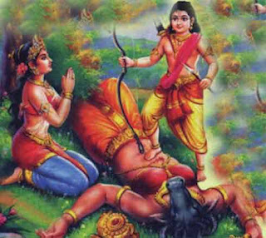
Manikantha volunteers, goes into the forest and returns riding on a tigress. The king, realising Manikantha have special ability recognizes the adopted son to be a divine being, resolves to form a shrine for him.
For location, Manikantha shoots an arrows that lands thirty kilometers faraway from where he’s . The young boy then transforms into Ayyappan. The place where arrow of ayyappan landed is now there Ayyappa shrine, a site of a big pilgrimage that’s particularly popular for visits on Makara Sankranti (about January
ABOUT AYYAPPA TEMPLE
AYYAPPA TEMPLE IN SABARIMALA
The Sannidhanam (main temple) is made on a plateau about 40 feet high
The temple was rebuilt after arson and vandalism in the year of 1950. No charges were brought and therefore the earlier stone image of the deity was replaced by a panchaloha(an alloy from five metals) idol, about 1 and half feet.
The temple consists of a sanctum, sanctorum of the temple with a gold-plated roof and 4 golden finials at the highest , two mandapams, the balikalpura which houses the altar. In 1969, the flag staff (dhwajam) was installed.
The shrine of Kannimoola ganapathi prathishta is south-west side to
The Sreekovil of the Sannidhanam. every Devotees offer a part of the broken coconut (Neythen Ga) to the fireside (Azhi). Ganapathi homam is that the main offering.
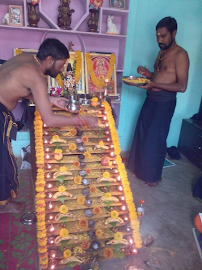
The Pathinettu thripadikal or the 18 sacred steps is that the main stairway to the temple. As per the custom followed,
who want to go in to the temple through the steps they should have “Irumudikettu” can ascend the 18 sacred steps. In the year of 1985, the 18 steps of temple were covered by Panchaloha metal. The northern gate is open for those that don’t carry an “Irumudikettu”, ]
The temples of Lord Ayyappan’s trusted lieutenants Karuppu Sami and Kadutha Sami are positioned as his guards (kaval) at the foot of the holy 18 sacred steps.
ABOUT 18 STEPS
STEPS IN SABARIMALA
18 steps – part of the ritual Lord Ayapana devotees who visit the Sabarimala shrine need to climb up 18 steps to the sanctum sanctorum, all the while chanting the Pathinettam padi (song of the 18 steps).
The climb has rules: Every devotee of ayapana must begin with their right foot.
Only those that have undertaken the 41-day penance — which involves abstinence from all worldly pleasures — are allowed to ascend the 18 steps
On their thanks to the temple, Ayapana devotees must carry the”irumudi” a little black cloth bundle that consists of puja items (or) personal possessions sort of a change of garments and something to eat like dry fruits, on their head.
The 18 steps have considerable religious significance. Devotees believe that ascending these steps helps detach them from worldly desires, mentally and physically.
The first five steps are called panchedriyas: They symbolise the five human senses of sight, sound, smell, taste and touch.
Next come the eight steps of the ashtaragas. These signify emotions: Krodh (anger), Kama (love), lobh (greed), moh (lust), asooya (jealousy), dhoom (boastfulness), madha (unhealthy competition) and matsarya (pride). It is believed that climbing up the steps while chanting helps control emotions that cause pain within the world.
The trigunas, subsequent three steps, represent three human qualities, satva (goodness or purity), rajas (passion) and tamas (inertia or dullness).
The last two steps represent vidya (knowledge) and its opposite, avidya (ignorance).
The steps were originally of granite, but later covered with panchaloha, a special mixture of gold, silver, copper, iron and tin.
The steps are believed to be special for other reasons too. For one, Ayyappa was a master of 18 weapons — each step is devoted to every of these weapons, which Ayyappa is believed to possess finally surrendered at the “pathinettam padi” or the eighteenth step.
Some also believe that the steps represent the 18 hills around Sabarimala, of which the very best is that the one the temple stands on
RITUALS IN TEMPLE
Mandala kaalam
The pilgrimage to Sabarimala starts from the primary day of Vrischika month of Malayalam year (month of Scorpio) and ends on the 11th day of Dhanu month (the Month of Sagittarius). This season of 41-days pilgrimage is understood as Mandala kalam (season) . The season is within the months of December and January
Harivarasanam
Harivarasanam is recited before closing the temple door nightly . The Harivarasanam prayer, which is sung at Sabarimala may be a Urakku Pattu. it’s composed by Kambangudi Kulathur Srinivasa Iyer in Sanskrit. it’s said that Srinivasa Iyer wont to recite the composition after the Athazha Puja, standing ahead of the shrine of Ayyappa within the main temple. With the efforts of Swami Vimochanananda, it came to be accepted because the lullaby by the Tantri and Melsanthi. The composition has 352 letters, 108 words in 32 lines in 8 stanzas
Though there are many versions of this song sung by many renowned vocalists, the temple plays the rendition by K. J. Yesudas, composed by the renowned conductor G. Devarajan, which is within the Madhyamavathi raga of Indian Carnatic music.
Neyyabhishekam
This significant ritual involves pouring sacred ghee brought by pilgrims in their Pallikettu or Irumudi (a two compartment bag made from handwoven cotton wont to carry the offerings for Sabarimala Temple carried on their heads) on the idol of Lord Ayyappa. It symbolically means the merging of Jeevatma with the Paramatma. While a red-colored irumudi is employed by a pilgrim on his first journey as a Kanni Ayyappan to Sabarimala, others use dark blue till third year and thereafter saffron colored irumudi.
Makaravilakku
Lord Rama and his brother Lakshmana met Sabari, a tribal devotee, at Sabarimala. Sabari offered the Lord fruits after tasting them. But the Lord accepted them gladly and whole-heartedly. The Lord then saw a divine person doing tapasya. He asked Sabari who it had been . Sabari said it had been Shasta. Rama walked towards him. Shasta stood up and welcomed the Prince of Ayodhya. The anniversary of this incident is widely known on Makara Vilakku day. it’s believed that on Makara Vilakku day, Lord Dharma Sastha stops his tapasya to bless his devotees. The day is additionally called Makara Sankranti.
Aham Brahmasmi and Tatvamasi
The most important message written at the temple façade is one among the four Mahāvākyas of Advaita or the non-dualistic school of philosophy. Tat Tvam Asi, the 3rd of 4 Mahavakyas which in sanskrit translates to “Thou Art That” is that the principle philosophy that governs the temple and pilgrimage. because the pilgrimage is symbolic for the journey to self-realization that each one living beings possess the essence of Brahman, pilgrims ask one another as Swami, acknowledging their divinity.[citation needed]
It means, in short, you’re a part of the Paramatma which is that the quintessence of Advaita philosophy.[citation needed]
Aravana Payasam at sabarimala
The prasadam at Sabarimala temple is Aravana payasam and Appam. These are prepared by using rice, ghee, sugar, jaggery etc. The rice needed to organize the prasadam at Sabarimala temple is supplied by Chettikulangara Devi Temple, the second largest temple under the Travancore Devaswom Board situated at Mavelikkara. The Chief Commissioner, Travancore Devaswom Board said that the board has appointed Central Food Technological Research Institute, Mysore as a consultant for providing technical guidance to make sure the standard of Aravana, Appam and other prasadam preparations at Sabarimala temple.
AYYAPPA DEEKSHA OR VRATHAM
ABOUT AYYAPPA DEEKSHA
Ayyappa deeksha or vratam followed by many people in India especially south indian people practice ayyappa deeksha, some millions of people are practice deeksha or vratam ,every year once even small children to old men, this deeksha mainly only men s are practice
MY FRIEND IN DEEKSHA
Devotees must and will follow 41 days ritual. Devotee wears Ayyappa Mala, shouldn’t wear footwear, must wear black clothes. (There’s a story for this deeksha. I’ll explain it in below paragraph) then here the solution for the question.. On 41st day, devotees who ever is following 41 days rituals, visit nearest Ayyappa temple, after the Pooja, Guruswamy (head priest of the temple) ties Irumudi. Iru means 2 and Mudi means knot.
1.ABOUT IRUMUDI
One bag contains 2 pouches. One side they fill with coconuts crammed with pure ghee. Guru Swamy make a hole for one among the coconut pore. Fills a ghee into holed pore and a few other Pooja items like incense sticks, camphor, sandal powder, Vibhuti, Vermilion etc.
In another pouch, they fill pouch filled with raw Rice which devotees will consume by cooking it while trekking 18 hills of Sabarimala from Ermelo.
Devotees will carry it on their head and visit Sabarimala. After Ayyappa Darshanam, devotees will deduct the ghee coconut, break it and collect the ghee inside one container and provides it to temple. Tantri will do Abhisheka with the ghee which devotees brought by Irumudi.
2.Ayyappa Deeksha are as follows-
Story why devotees should follow strict rituals while mandala deeksha (41 days of wearing Mala) :
Once Lord Ayyappa meet Lord Shani and questions why he punishes human so cruelly? Shani replies, that’s his job as he’s a Karma Phala Dātha. Ayyappa requests Shani to not punish his devotees which Shani declines it. Then Ayyappa tells tells that his devotees will maintain strict rituals for 41 days while they wear Ayyappa Mala.
The Deeksha Should be taken for 41 days or more but not but 41 days.
This features a reason coz if you see any Ayurvedic Treatment it’ll be for 41 days. The Deeksha what we do is strictly of ayurvedic Treatment. And our body and mind are trained for 41 days with a routine will generally become a habit, and our habits become our behaviour and our behaviour becomes our character. So if one is taking deeksha and following all rules are going to be good and can benefit to society. One will get transformed from inside if one is basically following all the principles of deeksha.
we should always keep our Mind with purity and control our feelings altogether aspects.
This works in synchronisation with the concept why we call everyone as swamy only. it’s an idea of seeing everyone as Swamy himself and provides due reference to him. it’s a process of removing the I (ego) factor. an equivalent principle applies why swamy should bow to a different swamy. If swamy’s are having a pure and clean mind, the ego will vanish and where ego vanishes, there divinity reflects.
we should always awaken at 4:00 A.M(Brahma Gadiya)
This is the time when the whole nature are going to be peaceful, one can feel the subtle vibrations of the prayers done everywhere the universe and obtain synchronised with those vibrations and over practice can get himself elevated to higher planes within the path of spirituality. because the day proceeds there’ll be various sorts of disturbances around, which can not allow the person to attach to the vibrations around him within the nature. it’s the proper time for meditating upon god during a choice which the person likes.
we should always perform pooja twice during a day Before sunrise and After sun set.
This has scientific approach if you inhale the Camphor during early Hours your sinus are going to be clear. These are the days , when an individual mind can get distracted and if trained to participate within the pooja activity can slowly specialise in Swamy through which one slowly learn to regulate the mind and master the mind.
3. ABOUT MEAL
We should take meal just one occasion during a day and night we should always take only Tiffin(Eka Bhukta)
It cleans our Pancreas,Liver,Stomach. consistent with ayurveda, an individual who eats once each day may be a yogi, an individual who eats twice each day is bhogi, and an individual who eats thrice each day is rogi. we should always eat to measure , not live to eat. The deeksha may be a tool to understand thyself. during this process it’s essential to survive ourselves, so we should always take minimum food sufficient to stay the body active, and not overburden it in order that it makes us affected with diseases.
Who ever calls us for Bhiksha(Meal or Tiffin) we should always attempt to attend and will never say no, Irrespective of caste and religion, shouldn’t discuss the food what they keep, as Food is that the another Depiction of Para Brahma.
Swamy is that the embodiment of dharma and he’s the authority for purnatwam (Purnam) and pushkala team(Pushkalam). So an individual taking swamy deeksha are going to be blessed abundance and completeness. If one has got to be blessed, one should take the prasadam of Swamy. Prasadam of swamy has got to be taken therein sense only not considering the caste,creed,religion,race, status etc of the person. Getting food may be a great blessing in disguise, only those that are fortunate will get the prasadam of swamy.
These are the 18 Sutra’s for deek
We shouldn’t eat Non-veg,Onion’s(Food Prepared with Onions),Garlic,Road sidefood.
This is because, the food we eat will reflect on our thought process. There are basically 3 sorts of gunas , Sattvic, Rajasic and tamasic. and therefore the foods who prepare them and intake them are reflected by their respective gunas.
Sattvic foods are light and straightforward to digest.—They bring clarity and perception.—Sattvic food has the potential to unfolds love and compassion within the individual.—Sattvic food promotes the qualities of forgiveness and austerity.it gives a sense of contentment.
Raja sic foods are hot, spicy and salty.—They are irritants and stimulants.All morish or tempting foods come under the category of raja sic
Heavily spiced foods e.g. hot pickles and chutneys which may stimulate the senses.Raja sic foods make the mind more agitated and vulnerable to temptation.The mind can become more rajasic, which suggests it tends towards anger, hate and manipulation.
Tamasic food is heavy, dull and depressing.It induces sleep.Under this category comes meat , lamb, pork, beef, also as thick cheese
Old and rancid food is additionally tamasic.Only when an excessive amount of of it’s eaten, it causes the dulling Under Construction moderation, tamasic food is taken into account as grounding and promotes stability.
One should choose only sattvic food during the deeksha period.
9) we should always eat Food prepared by ourselves or By Other swamies or our people that did bath and ready sacredly.
This has reason as Road side food and unhygienic food aren’t knowing http://Eat.As mentioned within the above rule, swamy’s should eat food prepared by other swamy’s or who are cooking with clean body and clean hearts
4. ABOUT BEHAVIOUR
Swamy’s shouldn’t scold anybody , shouldn’t lie.
When we are seeing everyone as a sort of Swamy, in what way can we abuse or scold that specific sort of Swamy, or to whom we are lying. this is often to find out and identify the truth that everything is permeated by swamy only.
we should always call each and each person as Swamy(Males) and Amma or Matha for females.
This is the primary step to understand Swamy, we train the mind to ascertain every male as a sort of swamy and to ascertain mother in every woman.
5.AVOID THINGS
Please note that we should always stop smoking ,Drinking, Chewing Pan, Gutkha and every one bad habits.
This is always good. Bad habits are a symbol of mental weakness. To become mentally strong, one should quit these habits. By leaving them one will practice self control. Indirectly one will get confidence over himself, and slowly this may lead him to the trail of success in his personal life. So leaving the bad habits is that the initiative in transformation of an individual leading him to happiness and success.
6.ABOUT HAIR OIL
We shouldn’t apply oil to our hair.
This is good whatever Dandruff you’ve got it’ll be cleaned. this is often again in synchronisation of seeing Swamy everywhere by getting victory over the ego (I) factor. Swamy’s should have less body consciousness and will convert their ego. Should be ready to accept everyone as Swamy without considering their external appearance.
7.ABOUT BATHING
Should Take Head bath Twice during a day with cold Water.
It keeps our selves Fresh and that we are going to be very Active it are often experienced. Doing head bath with cold water makes the body and mind fresh and it helps in controlling the mind through the body. Mind always asks for comforts(like hot water), and by doing the cold water bath, we are winning over our mind. And as also word given by Swamy to Shani deva, swami’s taking deeksha should haven’t any comforts during their deeksha days.
8.ABOUT SLEEP
we should always sleep on floor.
This has scientific approach as earth is big magnet thanks to magnetic lines forces and planetary motion it gives physical ailments like body pains, spondylitis etc. relief. We shouldn’t sleep within the Afternoon.
Deeksha is to form us be on top of things of senses and convert the ego in realising the supreme Reality (Tat Twam Asi). to realize this, one should follow the sattvic path, sleeping in other times like afternoon may be a tamasic path, and can disturb the body composition and routine of a swamy.
9. ABOUT HAIR CUT
We shouldn’t Shave,No Hair Cut,no Cutting of Nails
This is again in synchronisation with what swamy had given word to shani deva that swamy’s will have minimum comforts during their deeksha period. Also swamy’s should convert their ego and will be ready to accept everyone because the sort of swamy.
10.A.BOUT FOOTWEAR
We shouldn’t wear Foot Wear.
This features a scientific approach , this provides acupuncture to the body which controls vital sign . Also when swamy’s attend sabarimala, it’s a completely hill area and forest area. One cannot travel in those areas with footwear, and accordingly it’s needed to travel barefoot. So these 41 days swamy’s train their body and feet to face up to all the environment of Capitol Hill areas and therefore the forest regions.
11.A.BOUT CLOTHS
Swamy’s shouldn’t wear the other coloured clothes except black
(Even Guru swamis they ought to wear black clothes coz, Ayyappa gave his words to Lord Sani i,e.Sanieshwar, ” who ever takes my(Ayyappa) deeksha u shouldn’t trouble them and will excuse them(We) for this they(We) will wear only Black colour dress as your(Sani’s) Favorite colour is black ” , this is often having one scientific approach as black coloured objects absorbs more heat which provides necessary heat to face up to the temperature around during the season of karthik and margasira)
13.HOW TO REACH
By rail :Pilgrims reach kottayam or chengannur by he rail and from there to road journey to -pampa
By air:pilgrims can reach thiruvananthapuram or cochin air port and from there by road to pamba
ByRoad:– KSRTC has started bus services to Coimbatore, Palani and Thenkasi from Pampa for the convenience of Sabarimala pilgrims. Besides, the Government of Tamil Nadu and Karnataka have been given the permission to operate buses to Pampa. A chain service exists between Pampa and Nilackal base camps.given the permission to operate buses to Pampa. A chain service exists between Pampa and Nilackal base camps.
need any information contact admwondersindia@gmail.com
up dates
Sabarimala: The famous hill shrine of Lord Ayyappa here will open for mandala pilgrimage on November 15 and devotees will be allowed entry from the next day, with strict compliance to the Covid-19 safety protocol.
The installation of the newly appointed chief priests (melsanthi) will also take place on November 15, but this ceremony is out of bounds for devotees.
The new priest appointees are V K Jayaraj Potti of Kodungallur Varikaat Madom in Thrissur and M N Ravi Kumar of Mylakodath Mana of Kidangoor, Angamaly. The latter will be the chief priest of the Malikapuram sub-shrine.
The ceremonial procession in which the ornaments (thanka anki) worn by Lord Ayyappa for the Mandala Pooja is brought will reach the temple complex, Sanidhanam, on the evening of December 25. Thereafter, the gold ornaments will be placed on the idol followed by the homage with lighted lamps (deeparadhana).
Mandala pooja will take place on December 26 noon. The temple will be closed on the same night with the rendition of Harivarasanam Keerthaanam, the famed lullaby for Lord Ayyappa.
Makaravilakku and closure
The temple will open for Makaravilakku pilgrimage on December 30 at 5 pm. Makarivailakku is on January 14. After the completion of Makaravilakku rituals, the temple will close on January 20 at 7 am.
Only those pilgrims, who have booked through the virtual queue system, will be allowed to have darshan at the temple this time.
Though the temple will be opened for Chithira Atta Thirunal ritual on Wednesday, entry is barred for pilgrims. Chief priest K S Sudheer Namboodiri will open the temple at 5 pm and light the lamps in the sanctum sanctorum. The special (visheshal) pujas will be performed on November 13. Source of manorama