Category: .DELHI

  • PARLIAMENT HOUSE CONSTRUCTION WONDER,SANSAD BHAVAN

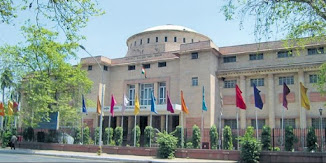
    Parliament House or Sansad Bhavan is one in every of the foremost spectacular buildings in Delhi. settled at the top of Sansad Marg the Parliament Building was designed by British creator king architect and Victor Herbert Baker. This painting

    building was inaugurated in 1927 by Lord Irwin, the then Governor-General of Asian nation. in INDIA

    The Parliament House contains of a central hall that is circular in form and ninety eight feet in diameter. The Central Hall is taken into account to be a really necessary a part of the Parliament building since this can be wherever the Indian Constitution was written. The building homes the Lok Sabha, Rajya Sabha and a library hall. In between these 3 chambers lies a garden. The building conjointly has facilities for accommodation for ministers, necessary officers of the Lok Sabha and Rajya Sabha, Chairmen and Parliamentary Committees.

    The Parliament House conjointly homes a repository that aims at educating folks on the “Democratic Heritage of India” and that dates back to 2500 back. The repository is ready up terribly} very fascinating method and is complete with sound and lightweight videos, giant screen interactive laptop screens and video game among different options.

     LOCATION

    Parliament house located in Delhi state  ,Delhi is a capital of Indian nation ,Delhi is a political capital of India,cosmopolitan city of India

     LATITUDE AND LONGITUDE

    • 28.39’21   East latitude
    • 77.14’27   North longitude

    MSL ( MEAN SEA LEVEL)

    The elevation or mean sea level of Delhi is 216 meters or 719 ft above sea level

    CLIMATE

    Delhi is a overlap between moon soon influenced humid subtropical and semi arid with high variation between summer and winter temperature and precipitation Delhi ‘s version of a humid subtropical 

    • In summer temperature    45 . c ( or ) 114 f
    • Average temperature        29 . c  (or)  85 f 
    • Rainfall                           797. 3 mm

     LOCAL LANGUAGE

    • Hindi
    • English
    • Punjabi
    • Urdu

    Mobile Network availability in Delhi


    • Bsnl
    • Airtel
    • Jio
    • Idea
    • Vodafone

    Parliament bhavan is famous for

    Parliament House or Sansad Bhavan is one amongst the foremost spectacular buildings in metropolis. situated at the top of Sansad Marg the Parliament Building was designed by British designer male monarch Sir Edwin Lutyens and Herbert Baker. This picture building was inaugurated in 1927 by Lord Irwin, the then Governor-General of India.

    Parliament House / Sansad Bhavan city 
    Entry Fee
    • 15
     
     Parliament House / Sansad Bhavan city Timings
    Day Timing
    • Monday 11:00 am – 5:00 pm
    • Tuesday 11:00 am – 5:00 pm
    • Wedesday11:00 am – 5:00 pm
    • Thursday 11:00 am – 5:00 pm
    • Friday 11:00 am – 5:00 pm
    • Saturday Closed / vacation
    • Sunday Closed / vacation

    HISTORY OF PARLIAMENT BHAVAN

    • Originally referred to as the House of Parliament, it absolutely was designed by a people architects Sir Edwin Lutyens and Sir Herbert Baker in 1912-1913 as a part of their wider mandate to construct a replacement body capital town for British India. Construction of the Parliament House began in 1921 and it absolutely was completed in 1927.
    • The gap ceremony of the Parliament House, that then housed the Imperial law-makers, was performed on eighteen Jan 1927 by Lord Irwin, Viceroy of India. The third session of Central law-makers was control during this house on nineteen Jan 1927.
    • Two floors were value-added to the structure in 1956 because of a requirement for more room.
    • The Parliament deposit, opened in 2006, stands next to the Parliament House within the building of the Parliamentary Library.
    ABOUT PARLIAMENT HOUSE

    • One of the foremost fantastically engineered field masterpieces of all time, the Parliament House or Sansad Bhavan, is one among the highest places to go to in city. With a history as wonderful as its gift, the Parliament house will treat one and every one with its worldly charm and heritage.
    • The Indian Parliament includes the President and therefore the 2 Houses- Rajya Sabha (Council of States) and Lok Sabha (House of People). The President, additionally the Supreme Commander of the Country, has the ability over each the homes.
    • The Parliament House (Sansad Bhavan) is found in national capital. it absolutely was designed by male monarch architect and Herbert Baker, World Health Organization were to blame for designing and construction of latest Old Delhi by British government. the development of building took six years and therefore the gap ceremony was performed on eighteen January 1927 by the then Viceroy and Governor-General of India, Lord Irwin. the development prices for the building were .₹8.3 million (US$120,000). The parliament is twenty one metres (70 ft) tall, one hundred seventy metres (560 ft) in diameter and covers a district of two.29 hectares (5.66 acres). The Central Hall consists of the chambers of Lok Sabha, Rajya Sabha, and therefore the Library hall. encompassing these 3 chambers is that the four-storeyed circular structure providing accommodations for members and homes Parliamentary committees, offices and therefore the Ministry of Parliamentary Affairs.
    • Statue of Chandragupta Maurya at Parliament of India
    General layout of the Parliament
    • The centre and therefore the focus of the building is that the Central Hall. It consists of chambers of the Lok Sabha, the Rajya Sabha, and therefore the Library Hall and between them lie garden courts. encompassing these 3 chambers is that the four-storeyed circular structure providing accommodations for ministers, chairmen, parliamentary committees, party offices, necessary offices of Lok Sabha and Rajya Sabha Secretariat, and conjointly the offices of the Ministry of Parliamentary Affairs. The Central Hall is circular in form and therefore the dome is thirty metres (98 ft) in diameter. it’s an area of historical importance. The Indian Constitution was framed within the Central Hall. The Central Hall was originally employed in the library of the erstwhile Central law-makers and therefore the Council of States. In 1946, it absolutely was reborn and refurbished into Constituent auditorium. At present, the Central Hall is employed for holding joint sittings of each the homes of parliament and conjointly used for address by the President within the commencement of initial session when every election.
    Proposal for a replacement building


    • Prime Minister Narendra Modi performing arts the ground-breaking ceremony for the new Parliament Building on ten Gregorian calendar month 2020.
    • A new Parliament building could replace the prevailing complicated. The new building is being thought-about on account of the steadiness issues concerning the present complicated. A committee to recommend alternatives to the present building has been started by the previous Speaker, Meira Kumar. this building, AN 85-year-old structure suffers from inadequacy of area to accommodate members and their staffs and is assumed to suffer from structural problems. The building conjointly must be protected owing to its heritage tag.
    • Prime Minister Narendra Modi ordered the muse and performed the ground-breaking ceremony for the new Parliament Building on ten Gregorian calendar month 2020. With AN calculable value of ₹971 large integer, the building is anticipated to be completed by 2022
    DESCRIPTIONS OF PARLIAMENT HOUSE
    The perimeter of the building is circular, with one hundred forty four columns on the surface. At the centre of the building is that the circular Central Chamber, and close this Chamber area unit 3 curving halls that were made for the sessions of the Chamber of Princes (now used because the Library Hall), the State Council (now used for the Rajya Sabha), and also the Central general assembly (now used for the Lok Sabha). The building is encircled by giant gardens and also the perimeter is enclosed off by arenaceous rock railings (jali).
    Some sources speculate that the planning of the building was galvanized by the Chausath Yogini temple in Morena.
    The current building is planned to be born-again into a deposit of Democracy when the new Parliament home is operational.
    How am i able to visit the Parliament House
    Parliament home is not receptive traditional guests United Nations agency would like to walk in. you would like to accumulate a special guests pass that may be noninheritable  from parliament security institution. If the home is not in session, it’s fairly straightforward to get the entry pass.
    An officer of the house escorts a gaggle of tourists through the halls of the parliament house. The guests ar allowed to check the Rajya Sabha inner lobby, Lok Sabha inner lobby and therefore the Central Hall. Any gazetted officer of the parliament or associate MP will suggest your name for the entry pass. this can be the sole approach of visiting this painting law-making establishment.
    Visitors also are allowed to watch Parliament proceedings live for associate hour by getting special passes. The validity of the pass is for associate hour, following that guests have to be compelled to leave the world. you’ve got to stick to the foundations whereas visiting the Sansad Bhavan. There ar completely different color passes to go to the 2 houses- inexperienced is for Lok Sabha and Maroon is for Rajya Sabha.
    The tour of the place is open on general days between eleven am to five pm solely.
    At the middle of the building lies the Central Hall wherever the transfer of Power happened once Bharat got its independence from country.
    An completely pleasant expertise, the hour long tour of the Parliament home is undoubtedly a requirement add throughout your visit to New Delhi.
    Things to try and do whereas within the Parliament House
    A visit to the Parliament House can forever be carven in our memory. however what are you able to do whereas inside?

    • 1. Parliament deposit – The deposit opened for the final public on fifth Sept, 2006 and is largely a story-telling deposit. The interactive deposit presents a fashionable heritage that spans over 2500 years of Indian democracy and walks you thru the Democratic heritage, Freedom movement, Transfer of power, Constitution of Bharat and therefore the Parliamentary functions.
    • You can visit the deposit between Tuesdays to Saturdays from eleven am to five pm. It remains closed to guests on Sundays and Mondays (during session period). The entry fee is Rs. ten per adult and none for college kids.
    • 2. Public Gallery – because the name suggests the final public is allowed within the public gallery once feat correct passes.

    Places to go to round the Parliament House

    • 1. Jantar Mantar – five minutes from the Parliament house, this can be one among the oldest astronomical observatories within the world. The entry fee is Rs.15 per person for Indian guests, SAARC and BIMSTEC guests whereas for foreign tourists, the price ticket value is Rs.200 per person.
    • 2. Gurudwara Bangla European – placed around quarter-hour from here lies Gurudwara Bangla European. it’s one among the foremost revered non secular places of the Sikh community. there’s no entry fee.
    • 3. Connaught Place – placed around ten minutes from here lies CP additionally known as Connaught Place. it’s celebrated for its eateries, pubs and lounges, Palika Bazaar and fantastically set out gardens. guests will pay a couple of hours strolling through all the blocks of CP. 
    • 4. city subway deposit – placed around fifteen minutes from Parliament House, the subway deposit takes guests through the container of the evolution of the subway confine city. there’s no entry fee.
    • 5. Rashtrapati Bhavan – Around ten minutes from Parliament House lies one more painting field marvel known as Rashtrapati bhavan or the President’s House. One will book a tour by work onto their official web site. bound sections ar receptive the final public for a particular time-frame. The entry fee is Rs. fifty per person.
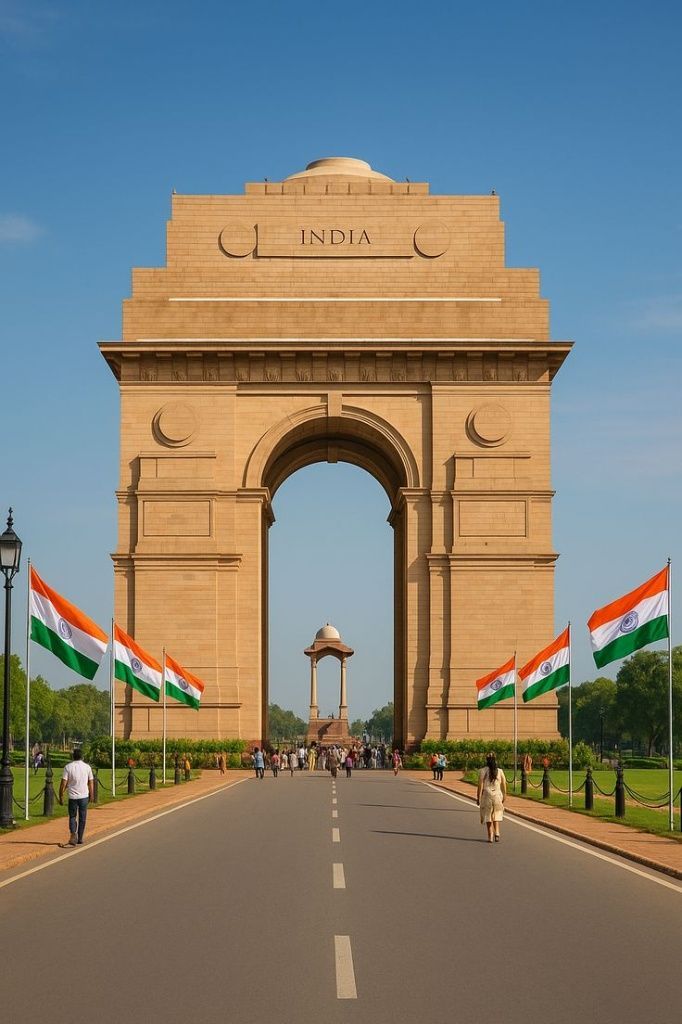
    • 6. India Gate – placed around five minutes from the Parliament home is the foremost most well-liked picnic spot of city residents- India Gate. you’ll get pleasure from strolling within the garden, clicking pics, intake ice-cream and alternative knick-knacks / street food and luxuriate in a paddle boat ride within the tiny lake. there’s no entry fee.
    Places to eat close to Parliament House
    • There ar variety of places to sit back together with your family and friends once finishing your tour of the Parliament House. the foremost most well-liked place to induce variety of feeding choices is Connaught Place or CP. 
    • you’ll feast on sandwiches and milkshakes at Keventers or 
    • South Indian food at Sarvanana Bhavan or s
    • Indian preparation at Vedas or lip-smacking Kachori Aloo close to recent Hanuman Temple.
    • Besides this you’ll additionally get pleasure from burgers, continental food, Italian food or the other preparation at the various restaurants on CP.

    visiting places in delhi

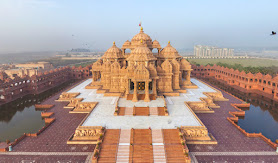
    1. Akshardham Temple
    2. Azad Hind Gram
    3. Lotus Temple
    4. Birla Mandir
    5. Dilli Haat
    6. Dilli Haat INA
    7. Dilli Haat Pitampura
    8. Dilli Haat Janakpuri
    9. Garden of Five Senses
    10. Humayun’s Tomb
    11. India Gate
    12. Iskcon Temple
    13. Jama Masjid
    14. Jantar Mantar
    15. Kalam memorial
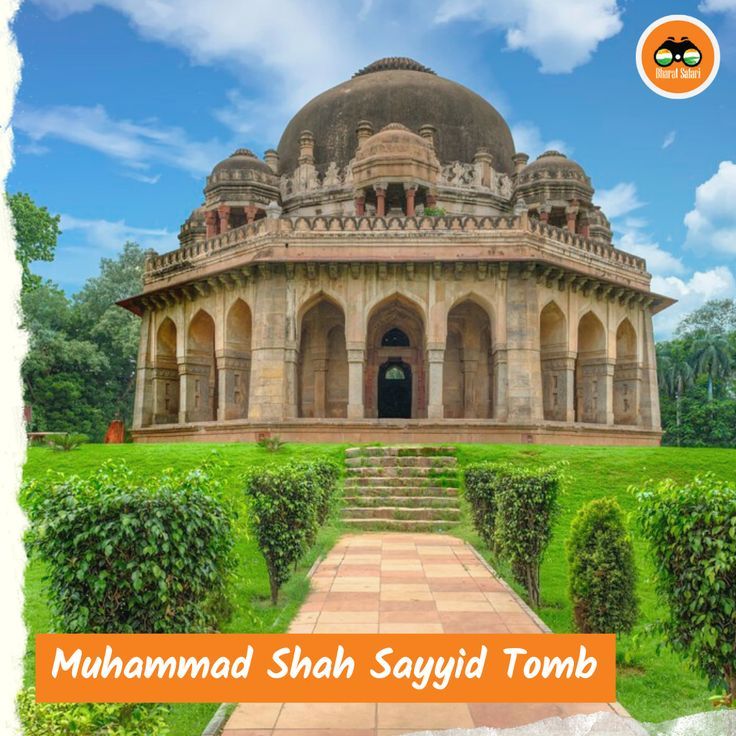
    16. Lodi Tomb
    17. Parliament House
    18. Purana Qila
    19. Qutub Minar
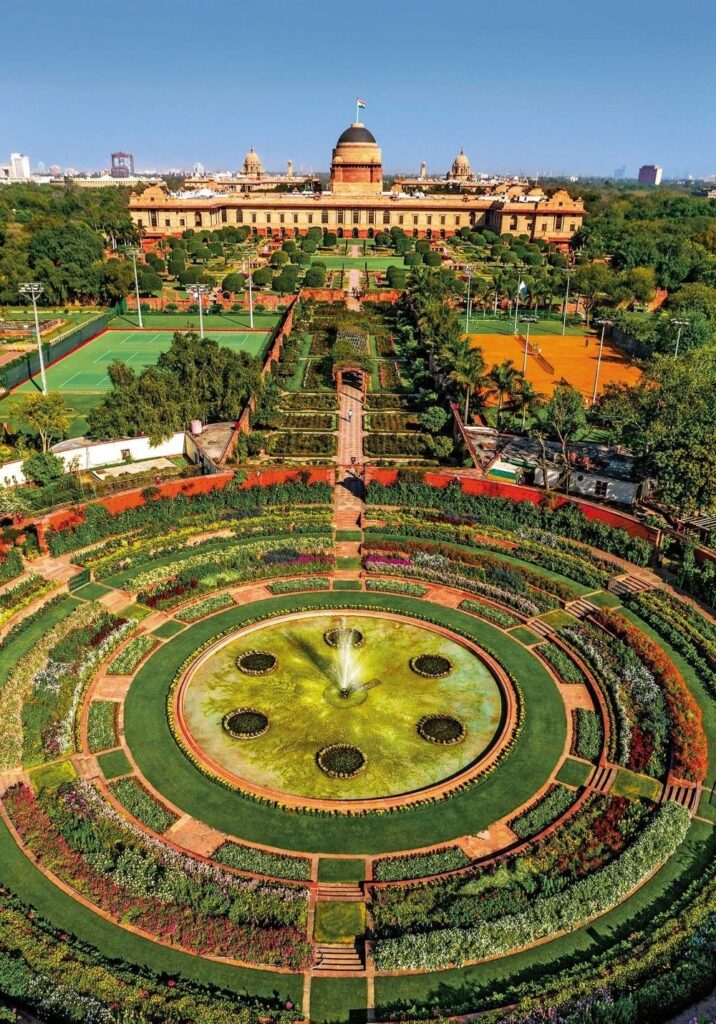
    20. Rashtrapati Bhavan
    21. Safdarjung Tomb
    22. Gurudwara Bangla Sahib
    23. Guru Tegh Bahadur Memorial
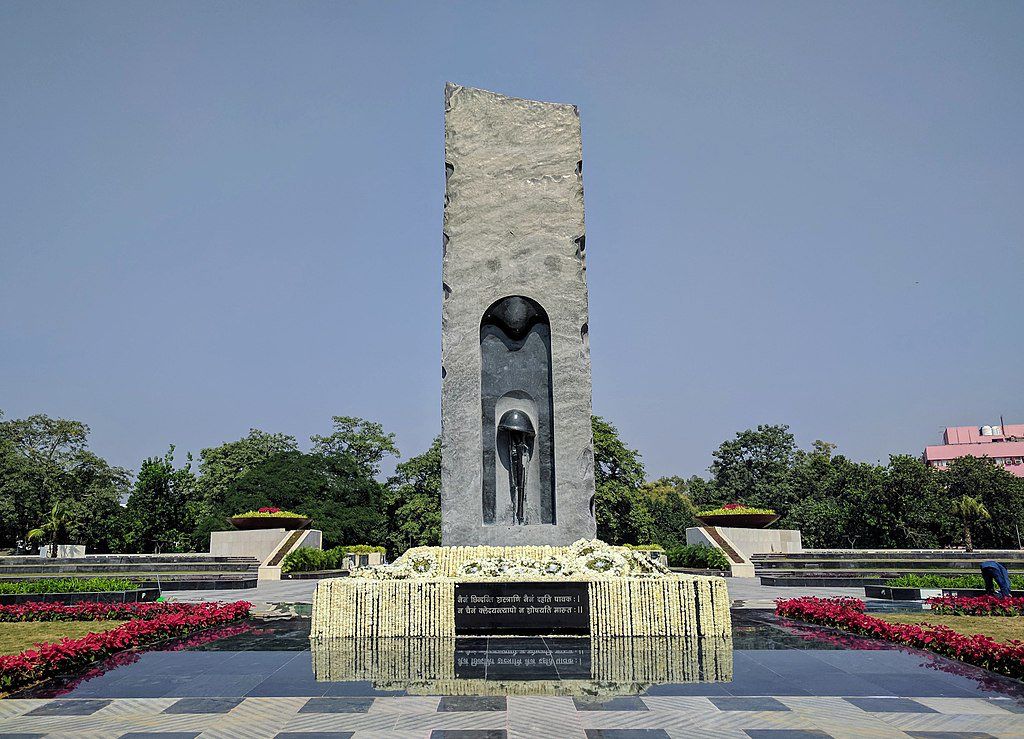
    24. National Police Memorial
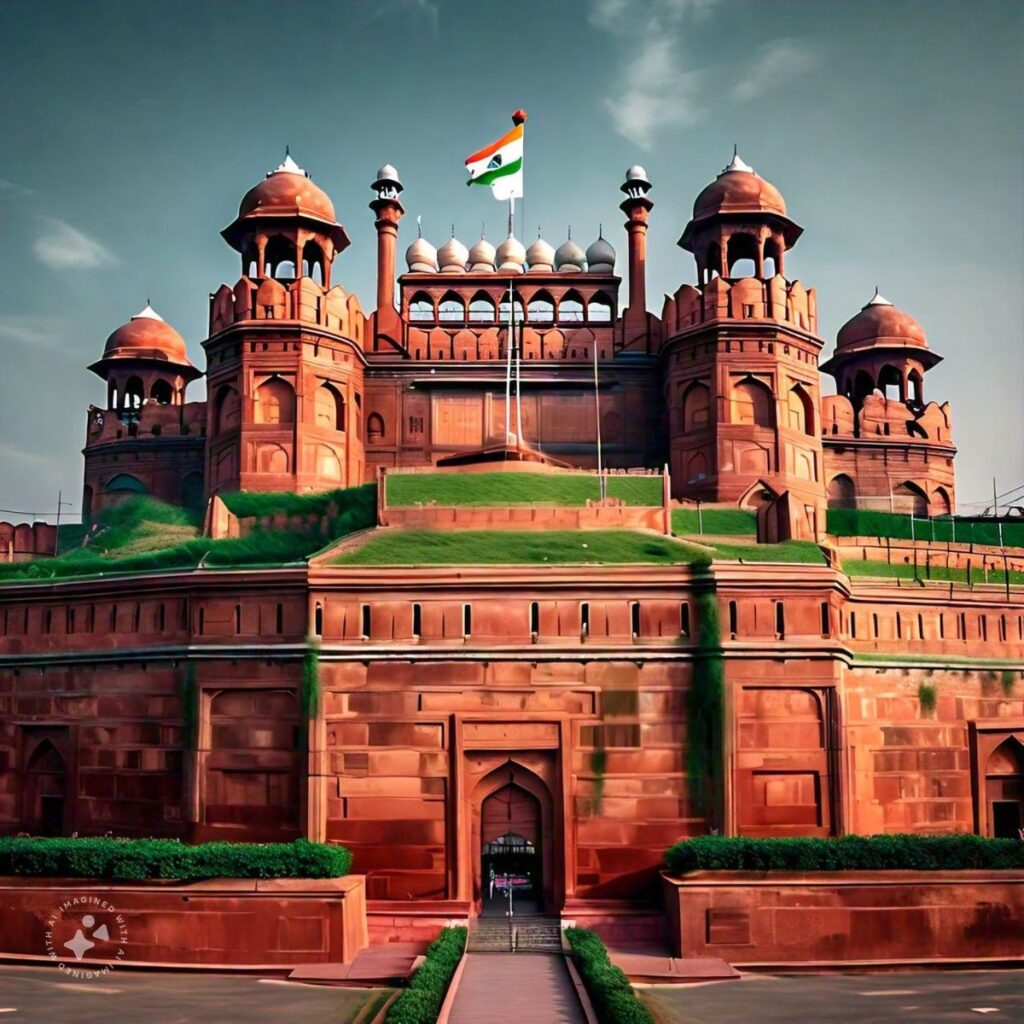
    25. Red fort
    14 MAJOR CITIES IN INDIA DISTANCE FROM   DELHI
    • Chennai——-2183 km
    • Calcutta——-1534 km
    • Bhopal———770 km 
    • Hyderabad—– 1585 km
    • Mumbai——-1415 km
    • Kochi——–2707 km
    • Bangalore—-2177 km
    • Sarnath——-847
    • Kushinagar—877
    15. NEAREST AIR PORTS
    • Delhi international air port  — 16 KM 
    • Dehradun air port       ———————-197 km
    • Chandigarh airport ————————-229 km
    • Jaipur air port——————————–249 km

    By air:

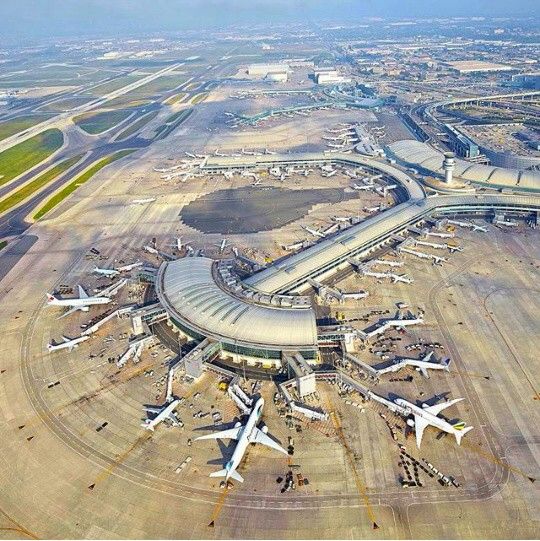
    Indira Gandhi International landing field (IGI
    ) in urban center serves each domestic and international flights, creating it one amongst the busiest airports within the country. There square measure frequent flights to urban center from underground cities like Bombay, Hyderabad, Chennai, city and Calcutta. 
    The landing field has 2 main terminals—Terminal 1D and Terminal three, wherever Terminal 1D serves domestic flights like IndiGo and Go Air, to call a couple of whereas Terminal three caters to international carriers. placed in Palam, the landing field covers an enormous space of regarding five,106 acres and is regarding twenty kilometers faraway from the national capital middle. whereas there square measure regular urban center Transport Corporation buses (DTC) plying from outside the landing field, a brand new underground line conjointly links the town centre with the landing field and trains square measure on the market in each ten minutes. Government registered pre-paid taxis can even be employed from the taxi counters at the landing field to achieve the town centre.
    Top flights to Delhi:
    • Ahmedabad To national capital Flights
    • Bengaluru To national capital Flights
    • metropolis To national capital Flights
    • Goa To national capital Flights
    • Hyderabad To national capital Flights
    • Bombay To national capital Flights
    • Pune To national capital Flights
    By road:

    Delhi has smart property by road to major tourer cities like metropolis, Jaipur, Shimla, Manali and Dehradun, among others. Major bus terminals serving the town embrace interstate Bus Terminals (ISBT) at Anand Vihar, Kashmiri Gate and Sarai Kale Khan. Besides, regular aair-conditioned buses ply from Himachal Bhawan in Mandi House to distinguished hill stations like Shimla and Manali. Similarly, buses for Jaipur, Udaipur and Jodhpur square measure on the market from Bikaner House on Pandara Road. urban center conjointly encompasses a network of highways that connects the town with alternative a part of the country. One will fancy a cushty drive to Jaipur and metropolis by Granite State eight and Granite State a pair of, severally.
    Bytrain:

    The capital town {delhi|Delhi|Old urban center|city|metropolis|urban center} is primarily served by four railway stations—New Delhi train depot (NDLS), city train depot (DLI), Hazrat Nizamuddin train depot (NZM) and Anand Vihar Railway Terminal (ANVT). Among these, NDLS in Paharganj is that the largest and busiest with sixteen platforms and serves over five hundred,000 passengers on a commonplace. Travellers will rent taxis from the pre-paid taxi booth placed outside the station to achieve anyplace within the town. The urban center underground conjointly connects of these railway stations to alternative components of the town.
    Need any information contact admwondersindia@gmail.com 
    Need any information contact adm wondersindia@gmail.com

    Up dates


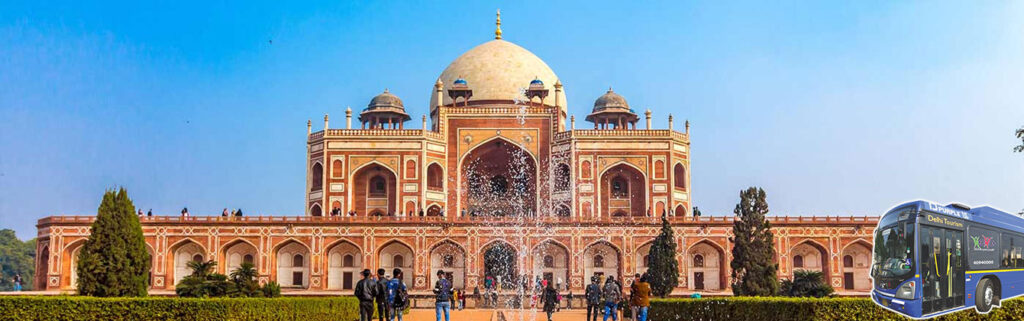
  • HUMAYUN TOMB,HISTORICAL MONUMENT

    Humayun’s place (Hindustani or Urdu: Maqbara-i Humayun) is that the place of the Mughal Emperor Humayun in city, India. The place was commissioned by Humayun’s 1st adult female and chief consort, Empress Bega Moslem (also called pilgrim Begum), in 1558, and designed by Mirak Mirza Ghiyas and his son, Sayyid Muhammad, Persian architects chosen by her. it had been the primary garden-tomb on the Indian landmass

    Humayun tomb, in-built 1570, is of specific cultural significance because it was the primary garden-tomb on the Indian landmass. It galvanized many major bailiwick innovations, culminating within the construction of the mausoleum.

    Humayun is a king of Mughal emperor in india , every year some millions of people visiting  Humayun tomb


     LOCATION
    Humayun tomb located in Delhi state  ,Delhi is a capital of Indian nation ,Delhi is a political capital of India,cosmopolitan city of India
     LATITUDE AND LONGITUDE
    • 28.39’21   East latitude
    • 77.14’27   North longitude
    MSL ( MEAN SEA LEVEL)
    The elevation or mean sea level of Delhi is 216 meters or 719 ft above sea level
    CLIMATE
    Delhi is a overlap between moon soon influenced humid subtropical and semi arid with high variation between summer and winter temperature and precipitation Delhi ‘s version of a humid subtropical 
    • In summer temperature    45 . c ( or ) 114 f
    • Average temperature        29 . c  (or)  85 f 
    • Rainfall                           797. 3 mm
     LOCAL LANGUAGE
    • Hindi
    • English
    • Punjabi
    • Urdu
    Mobile Network availability in Delhi

    • Bsnl
    • Airtel
    • Jio
    • Idea
    • Vodafone

    Humayun tomb is famous for

    Humayun’s place is that the 1st example of Mughal design in Asian nation and is thought to possess impressed the development of mausoleum. it’s additionally noted for its distinct Persian design and happens to be the primary garden-tomb within the country.

    Humayun’s Tomb Delhi Entry Fee
    •  30 per person for Indians
    •  500 per person for Foreign Tourists
    •  0 per person for Photography
    •  25 per person for Video filming 
     Humayun’s Tomb Delhi Timings
    Day Timing

    • Monday 6:00 am – 6:00 pm
    • Tuesday 6:00 am – 6:00 pm
    • Wedesday6:00 am – 6:00 pm
    • Thursday 6:00 am – 6:00 pm
    • Friday 6:00 am – 6:00 pm
    • Saturday 6:00 am – 6:00 pm
    • Sunday 6:00 am – 6:00 pm

    HISTORY OF HUMAYUN TOMB

    • Mughal Emperor, Humayun r. 1508–1556
    • Capture of the last Mughal emperor Bahadur sovereign Zafar and his sons by William Hodson at Humayun’s place in September 1857
    • After his death on twenty seven Jan 1556, Humayun’s body was initial buried in his palace in Sanskrit literature Quila at Old Delhi. thenceforth it absolutely was taken to Sirhind, in geographic region by Khanjar Beg and, in 1558, it absolutely was seen by Humayun’s son, the then Mughal Emperor, Akbar. Akbar afterwards visited the place in 1571, once it absolutely was near to be completed.
    • The place of Humayun was designed by the orders of his initial woman and chief consort, Emperor Bega Moslem (also referred to as hajji Begum). Construction began in one565 and was completed in 1572; it price 1.5 million rupees,[10] paid entirely by the Emperor.Bega Moslem had been thus grieved over her husband’s death that she had thereafter dedicated her life to a sole purpose: the development of a memorial to him than would be the foremost brilliant sepulcher within the Empire, at a website close to the Yamuna watercourse in Old Delhi. in keeping with Ain-i-Akbari, a 16th-century careful document written throughout the reign of Akbar, Bega Moslem supervised the development of the place once getting back from Mecca and enterprise the pillar of Islam journeying.
    • According to Abd al-Qadir Bada’uni, one in every of the few modern historians to say construction of the place, it absolutely was designed by the Persian designer Mirak Mirza Ghiyas (also observed as Mirak Ghiyathuddin), WHO was hand-picked by the Emperor and brought from urban center (northwest Afghanistan); he had antecedently designed many buildings in urban center, Bukhara (now Uzbekistan), et al. elsewhere in India.Ghiyas died before the structure was completed and it absolutely was completed by his son, Sayyed Muhammad ibn Mirak Ghiyathuddin.
    • An English merchandiser, William oscine, WHO visited the place in 1611, describes wealthy interior furnishing of the central chamber (in comparison to the thin look today). He mentions the presence of wealthy carpets, additionally as a shamiana, alittle tent higher than the memorial, that was coated with a pure white sheet, and with copies of the Book before at the side of Humayun’s blade, turban and shoes.
    • The fortunes of the once celebrated Charbagh (Four-gardens) fabricated from four squares separated by four promenades, divergent  from a central reflection pool. It touch thirteen hectares close the monument, modified repeatedly over the years once its construction. The capital had already shifted to metropolis in 1556, and also the decline of the Mughals accelerated the decay of the monument and its options, because the big-ticket repairs of the garden established not possible. By the first eighteenth century, the once lush gardens were replaced by vegetable patch of individuals WHO had settled inside the walled space. However, the capture of the last Mughal emperor, Bahadur sovereign Zafar throughout the Indian Rebellion of 1857 beside the premises, and his resulting sentencing to exile, at the side of execution of his 3 sons, meant that the monument’s worst days lay ahead, because the British took over Old Delhi fully. In 1860, the Mughal style of the garden was replanted to a a lot of English garden-style, with circular beds commutation the fours central water pools on the axial pathways and trees abundantly planted in flowerbeds. This fault was corrected within the early twentieth century, once on Viceroy Lord Curzon’s orders the initial gardens were improved in a very major restoration project between 1903–1909, that additionally enclosed lining the plaster channels with sandstone; a 1915 planting theme superimposed stress to the central and diagonal axis by lining it with trees, tho’ some trees were additionally planted on the platform originally reserved for tents.
    • In 1882, the official custodian of ancient monuments in India printed his initial report, that mentioned that the most garden was unchained to numerous cultivators; amongst them until late were the royal descendants, WHO grew cabbage and tobacco in it.
    • in Ronaldshay’s account of Lord Curzon a letter is quoted from Lord Curzon to his woman in Apr 1905: “You bear in mind Humayun’s tomb? I had the garden improved, the water channels mammary gland out and refilled and also the whole place improved to its pristine beauty. I visited European country last summer and, the attention of the master being away, the complete place has been allowed to revert. The garden has been let to a native and is currently planted with turnips and also the work of 4 years is thrown away! I shall drive out there, and woe hap the deputy commissioner whose apathy has been accountable.”
    • During the Partition of India, in August 1947 the Sanskrit literature Qila beside Humayun’s place, became major exile camps for Muslims migrating to the new based Asian country, and was later managed by the govt. of India. These camps stayed open for regarding 5 years, and caused considerable  injury not solely to the in depth gardens, however additionally to the water channels and also the principal structures. Eventually, to avoid deviltry, the cenotaphs inside the sepulcher were cased in brick. within the returning years, the archeologic Survey of India (ASI), took on responsibility for the preservation of heritage monuments in India, and bit by bit the building and its gardens were improved. Until 1985, four unsuccessful tries were created to reinstate the initial water options.
    • An important innovate the restoration of the complicated began around 1993, once the monument was declared a World Heritage website. This brought new interest to its restoration, and a close analysis and excavation method began beneath the aegis of the Aga Khan Trust and also the ASI. This culminated in 2003, once a lot of of the complicated and gardens were improved, with the historic fountains running another time once many centuries of decline. The restoration has been endless method ever since, with resulting phases addressing varied aspects and monuments of the complicated.

    Humayun’s place design

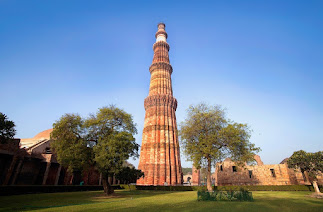
    Central Asian and Persian parts became additional conspicuous within the Moslem sort of design by the late twelfth century throughout the regime of the metropolis state. It all began with the development of the Qutub Minar in 1192 AD by Qutab-ud-din Aibak of the Slave sept. The Humayun’s place are often entered through 2 double-storeyed gateways, sixteen metre-high, to the south and west adorned with rooms and a curtilage on the higher floors. and in contrast to the Taj, there’s no house of worship on the location of the Humayun’s place, instead a novel feature of this structure is that the place of Humayun’s favorite barber. Popularly cited as Nai Ka Gumbad, the place may be a fine specimen in red arenaceous rock and white marble with in depth jaali work, door frames and embellished overhang.
    The place of Emperor Humayun at forty seven metres is made in Persian vogue, and is additionally the primary Indian structure to include the Persian double dome that’s 42 .5 metres high wherever the outer structure supports the marble exterior and therefore the inner one leads into the cavernous interiors. Enter the structure through the south entrance and you may now notice the serious jaali and stone lattice work. And simply at a lower place this white dome lies associate degree polygonal shape sepulture with one monument, that of Mughal Emperor Humayun. fulfil it to mention that this is often not the important sepulture, for the important one is stowed away within the crest of the world right below the higher monument. whereas this half are often approached through a passage from the skin of the most building, it remains closed to public viewing.
    In the last days of the Mughal rule and through the revolt of 1857, Mughal Emperor Bahadur Shah of Iran Zafar along side 3 alternative princes took refuge here. He was eventually captured by Captain Hodson and sent to exile in Rangoon.
    Charbagh
    The Persian-style garden that interprets into four gardens is essentially a sq. or an oblong layout that is strictly geometrical and is split into four walkways and cleft doubly by a water body. detritus walls on 3 sides enclose the Charbagh, and on fourth facet lay the Yamuna, that has since modified its course off from the structure.

    Humayun’s place alternative Monuments within the advanced
    Tomb and house of worship of Isla Khan: On getting into from the west, you may see many monuments on either facet on the pathway that goes up to the most place. the foremost important one in every of the ton is that the place advanced of associate degree (more…)